Lifestyle
Why Assigning a Specific Physical Home for Every Recurring Errand Item Removes the Mental Load of Remembering Them
Giving every recurring errand item a fixed physical location removes the low-grade mental effort of constantly tracking where things are. Here's how to build that system in a way that actually holds.
By Robert Kim | Nov 08, 2026
Why Cooking One Meal Per Week Entirely From What Remains in Your Pantry Gradually Changes How You Stock It
Cooking one meal a week from whatever's already in your pantry sounds like a simple constraint, but practiced consistently, it quietly rewires how you shop, stock, and think about ingredients altogether.
By Robert Kim | Nov 05, 2026
How Keeping a Small Paper Map of Your Neighborhood and Annotating It Over Time Changes How Connected You Feel to Where You Live
Keeping a small paper map of your neighborhood and adding notes to it over time is a quiet practice that gradually transforms how you perceive and feel rooted in the place where you live.
By Sarah Mitchell | Nov 02, 2026
Why Dedicating One Wall in Your Home Exclusively to Things Made by Hand Changes How the Space Feels Over Months
Dedicating one wall exclusively to handmade objects does something quiet and lasting to a room — not through decoration, but through the kind of sustained attention that only hand-made things seem to invite over time.
By Robert Kim | Oct 29, 2026
How Keeping a Single Running List of Favors Given and Received Changes How You Think About Reciprocity in Friendships
A single running list of favors given and received sounds almost too simple — but tracking both sides of reciprocity turns out to change how clearly people see their closest friendships.
By Robert Kim | Oct 26, 2026
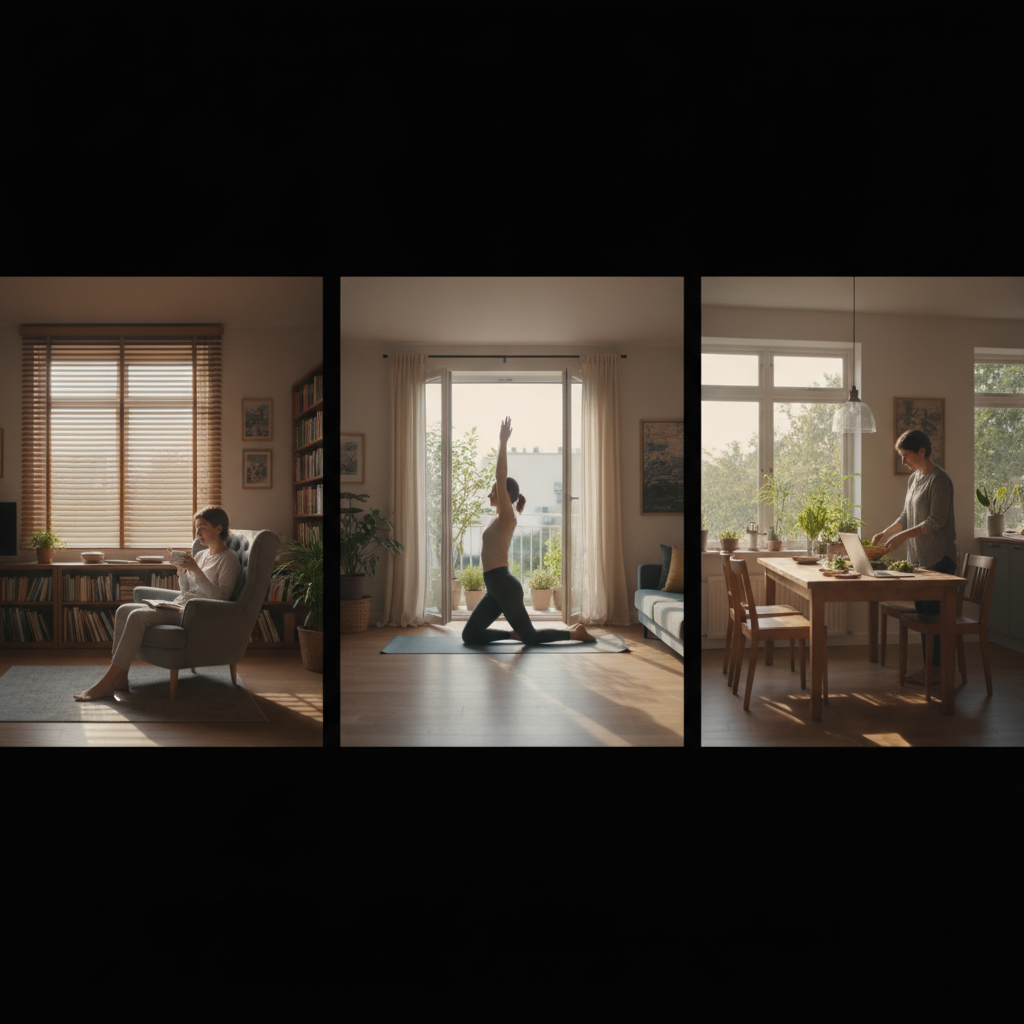
How Rotating Which Room You Spend Your First Hour of the Morning In Gradually Changes How You Use Your Whole Home
Where you spend your first waking hour shapes more than just your morning — it quietly determines which parts of your home feel accessible and alive. Rotating that starting room is one of the simplest ways to gradually change how you relate to your whole space.
By Robert Kim | Oct 22, 2026

Why Keeping a Separate List of Questions You Can't Immediately Answer Changes How Deeply You Follow Through on New Interests
Most people abandon new interests not because enthusiasm fades, but because the questions that could have deepened engagement had nowhere to land. Keeping a dedicated list of unanswered questions changes how curiosity compounds over time.
By Emily Rodriguez | Oct 19, 2026

How Keeping a Dedicated Travel Wishlist Separate From a General Bucket List Changes How Deliberately You Actually Plan Trips
Separating a dedicated travel wishlist from a general bucket list isn't just an organizational habit — it's a shift in how deliberately and consistently trips move from idea to reality.
By Robert Kim | Oct 15, 2026

How Keeping a Small Travel Fund Envelope Separate From Your Regular Savings Changes How Quickly a Trip Becomes Real
A dedicated travel fund envelope — kept separate from your regular savings — changes how you think about a trip and how quickly it stops feeling hypothetical. Here's how to make the habit work.
By Robert Kim | Oct 12, 2026

How Keeping a Running List of Places You Actually Want to Visit Changes the Way You Save and Spend Throughout the Year
Writing down the places you genuinely want to visit does more than organize your travel dreams — it gradually reshapes how you save, spend, and prioritize money throughout the entire year.
By Robert Kim | Oct 09, 2026

How Keeping a Short Monthly Letter to Yourself Instead of a Daily Journal Changes What You Actually Retain From Each Month
Daily journaling works for some people, but the monthly letter format changes how you process and retain what actually mattered. Here's why the switch is worth making.
By Robert Kim | Oct 06, 2026

How Committing to One Skill-Based Class Per Quarter Gradually Changes the Way You Measure Personal Progress
Enrolling in one skill-based class every quarter does more than teach a new discipline — over time, it fundamentally shifts how you define and measure personal progress.
By Sarah Mitchell | Oct 03, 2026
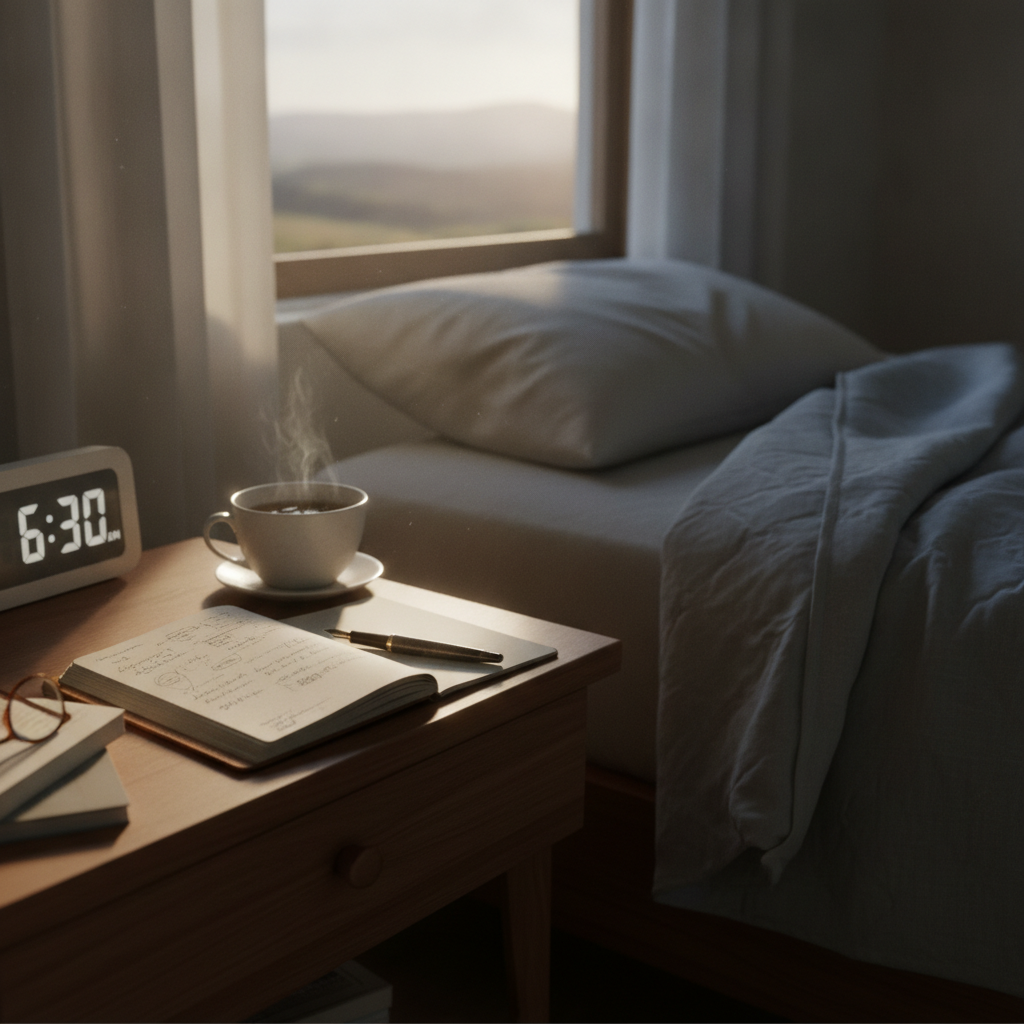
How Keeping a Small Notebook Beside Your Bed for One Month Changes What You Notice About Your Own Sleep Patterns
Keeping a small notebook beside your bed for one month reveals sleep patterns that no app or tracker quite captures — and quietly reshapes how you understand your own rest.
By Robert Kim | Sep 30, 2026

How Choosing One Physical Hobby That Requires Your Full Attention Gradually Changes the Quality of Your Rest Days
The quality of rest is rarely determined by doing less — it's shaped by the kind of engagement that precedes it. Choosing a physical hobby that demands complete attention gradually transforms what rest days actually feel like.
By David Park | Sep 27, 2026

How Keeping a Small Seasonal Meal Rotation Rather Than a Fixed Weekly Menu Changes How You Relate to Cooking Over Time
A fixed weekly menu brings order to cooking, but a small seasonal meal rotation builds something more lasting — a flexible, intuitive relationship with food that deepens over time.
By Robert Kim | Sep 24, 2026

Why Designating One Evening a Week as a Strictly No-Obligation Night Gradually Changes How You Recover From Busy Periods
Designating one fixed evening each week as strictly obligation-free is a small structural shift that, over time, meaningfully changes how the mind and body recover from sustained busy periods. The practice works not through any single evening being transformative, but through the cumulative effect of predictable, uncommitted time.
By Robert Kim | Sep 21, 2026

How Setting a Hard Stop Time for Work Each Day Gradually Rebuilds the Sense That Your Evenings Belong to You
When work is allowed to run without a clear daily endpoint, evenings quietly lose their character as personal time. Setting and consistently honoring a hard stop time gradually restores that sense of ownership, one kept boundary at a time.
By Chris Martinez | Sep 18, 2026

Why Treating a Single Afternoon Each Month as Unscheduled Open Time Restores a Kind of Thinking That Busy Weeks Erode
Once a month, leaving a single afternoon completely unscheduled doesn't just rest the mind — it restores the open, associative thinking that busy weeks slowly compress out of existence.
By Robert Kim | Sep 15, 2026

How Keeping a Short Monthly Spending Diary Separate From Your Budget App Surfaces Patterns No Algorithm Catches
Budget apps track what you spend, but a short handwritten diary reveals why — surfacing emotional and contextual patterns no algorithm is built to catch.
By Chris Martinez | Sep 12, 2026

How Cooking One Unfamiliar Cuisine Each Month Gradually Rewires How You Think About Ingredients You Already Own
Cooking one unfamiliar cuisine each month doesn't just expand your recipe list — it gradually changes how you understand and use the ingredients you already have.
By Robert Kim | Sep 09, 2026

Why Keeping a Dedicated Spot for In-Progress Projects Changes How Often You Actually Finish Them
Most unfinished projects don't fail from lack of interest — they fail from friction. Giving in-progress work a dedicated, visible space changes the psychology of completion in ways that go far deeper than simple organization.
By Robert Kim | Sep 06, 2026
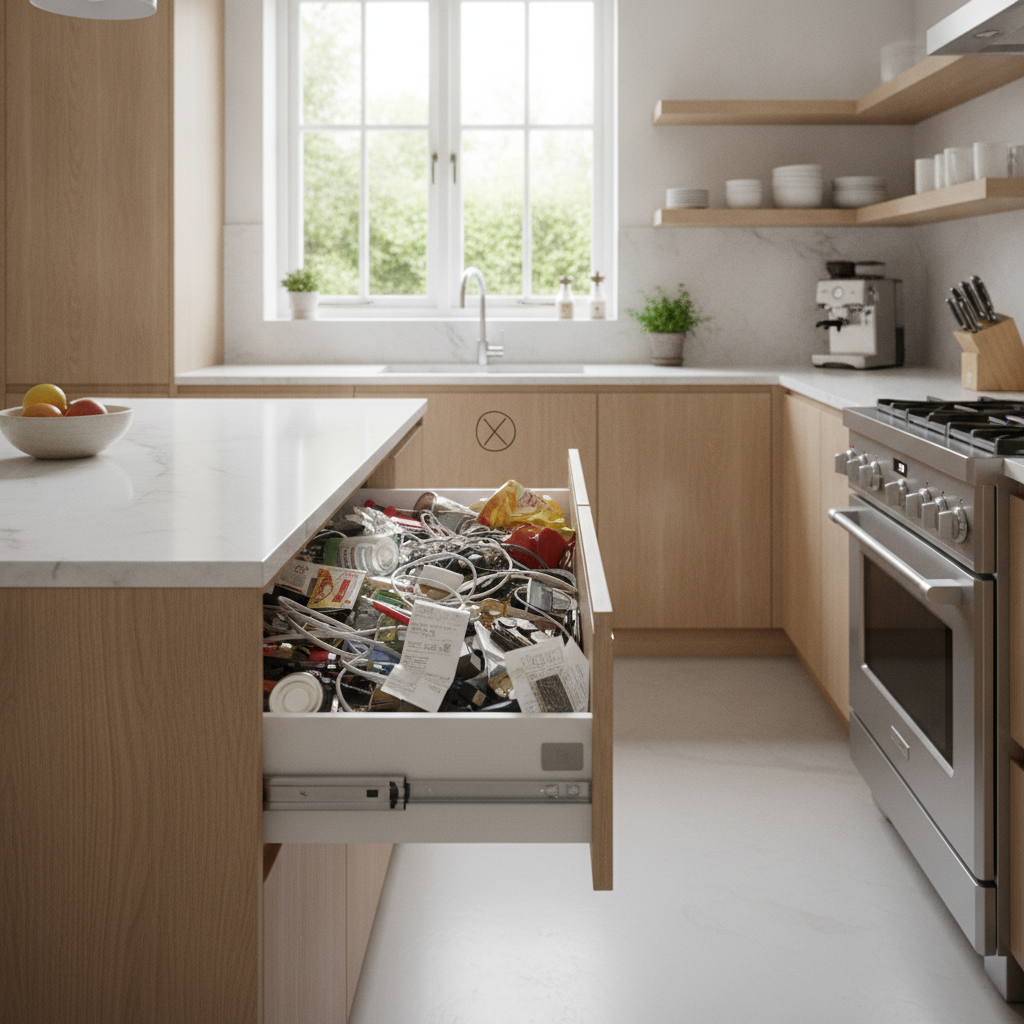
How Designating One Drawer in Your Kitchen as a Strictly Off-Limits Clutter Zone Keeps the Rest of the Space Calm
Giving kitchen clutter one designated drawer — and only one — keeps the rest of the space calmer without demanding an unrealistic level of organization. Here's how to set it up and maintain it seasonally.
By Robert Kim | Sep 02, 2026

Why Building a Small but Consistent Reading Hour Into Your Afternoon Changes How the Rest of the Day Feels
A consistent afternoon reading habit does more than pass the time — it quietly reshapes focus, mood, and the quality of everything that follows. Here's why the timing and routine matter as much as the books themselves.
By Robert Kim | Aug 29, 2026

How Keeping a Simple Weekly Review Habit on Sunday Evenings Changes How You Enter the Work Week
A simple weekly review on Sunday evenings can quietly transform how you enter the work week — reducing Monday morning anxiety and replacing it with calm, clear direction.
By Chris Martinez | Aug 26, 2026

How Structuring Your Weekday Evenings Around a Single Anchor Activity Reduces the Drift That Makes Nights Feel Wasted
Weekday evenings tend to dissolve into drift when there's no clear center to organize them around. One anchor activity changes that — without requiring a rigid schedule.
By Robert Kim | Aug 23, 2026

Why Keeping a Running List of Small Curiosities Throughout the Week Makes You a More Engaged Learner Over Time
Writing down small questions as they arise throughout the week might seem minor, but the habit gradually reshapes how people pay attention, retain information, and engage with the world around them.
By Robert Kim | Aug 20, 2026

How Treating Your Sunday Evening as a Transition Ritual Rather Than a Rest Period Changes How Monday Mornings Feel
Sunday evening dread is nearly universal, but it doesn't have to define how Monday begins. Treating those hours as a deliberate transition ritual — rather than passive rest — changes the tone of the entire week.
By Robert Kim | Aug 17, 2026
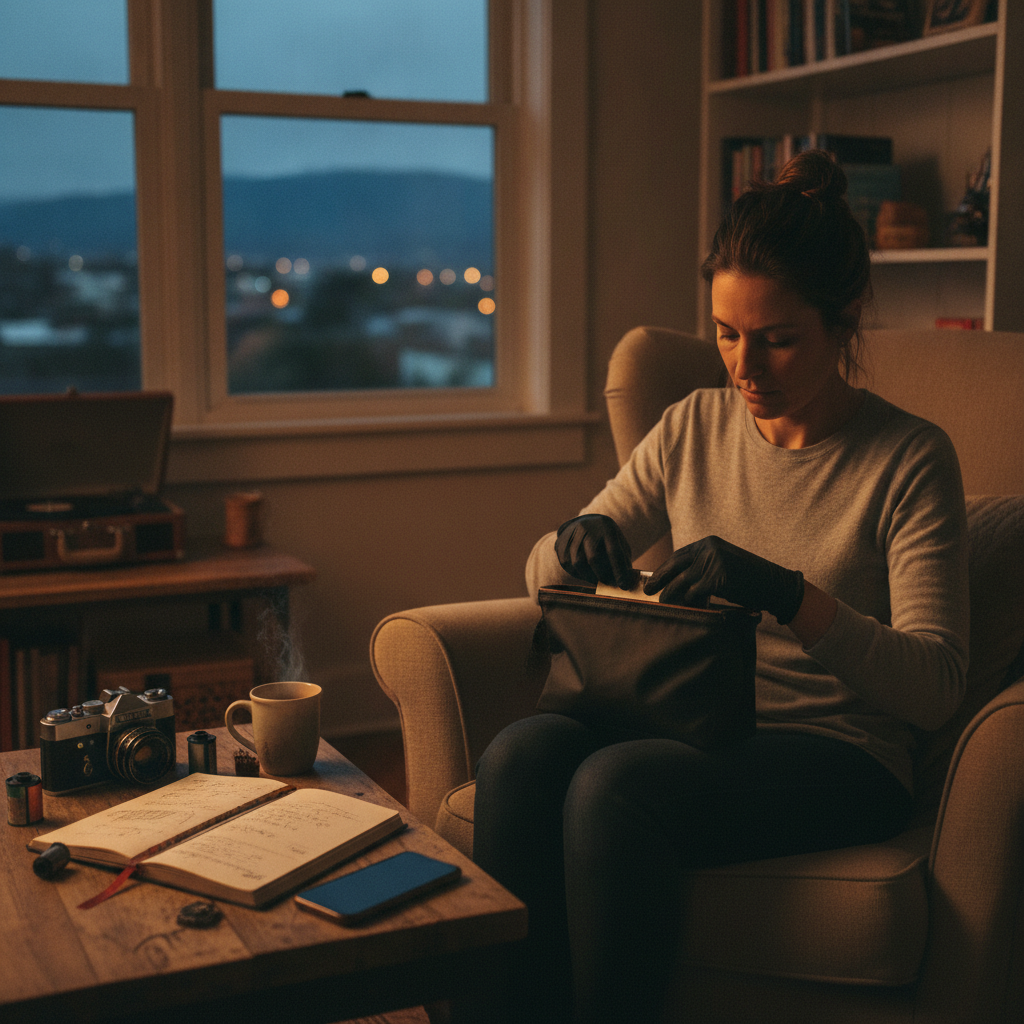
How Choosing One Analog Habit to Replace a Scrolling Routine Gradually Shifts Your Evening Mood
Replacing one scrolling habit with a single analog activity doesn't require discipline — it requires a good match between the habit and your actual evening energy. Here's how the shift works, and why it gradually changes more than just how you spend your time.
By Robert Kim | Aug 14, 2026

Why Tracking How You Actually Spend Your Free Hours Changes What You Think You Want From Your Week
Most people have a clear idea of how they'd like to spend their free time — and a much hazier sense of how they actually do. Tracking real free-hour behavior, even loosely, reveals patterns that no amount of wishful planning ever surfaces.
By Emily Rodriguez | Aug 11, 2026

How to Gradually Rebuild a Social Calendar After a Long Period of Isolation Without Burning Out
Rebuilding a social life after a long period of isolation doesn't have to happen all at once. Here's how to reconnect gradually, protect your energy, and avoid the burnout that comes from doing too much too soon.
By Robert Kim | Aug 08, 2026
Why Treating Your Weekend Grocery Run as a Deliberate Ritual Changes More Than Just What You Buy
The weekly grocery run is one of the most repeated tasks in domestic life, yet most people treat it as something to get through rather than engage with. Approaching it as a deliberate ritual changes not just what ends up in the cart, but how the whole week feels.
By Robert Kim | Aug 05, 2026

Why Rearranging Your Living Room Furniture Once a Year Does More for Your Mood Than Redecorating
Rearranging your living room furniture once a year can do more for your mood than any new purchase. Here's why the layout matters more than the décor.
By Robert Kim | Aug 02, 2026

How Deliberately Reducing Your Weekly Decision Count Frees Up More Mental Energy Than You Expect
Decision fatigue quietly erodes mental clarity long before most people notice it. Deliberately reducing the number of choices you face each week can restore focus, patience, and cognitive capacity in practical, lasting ways.
By Chris Martinez | Jul 29, 2026

How Adopting a Single Long-Term Travel Goal Changes the Way You Make Everyday Financial Decisions
Committing to a single, specific long-term travel goal does more than redirect savings — it quietly rewires the way everyday financial decisions get made, turning ordinary spending into something more deliberate and purposeful.
By Michael Thompson | Jul 26, 2026
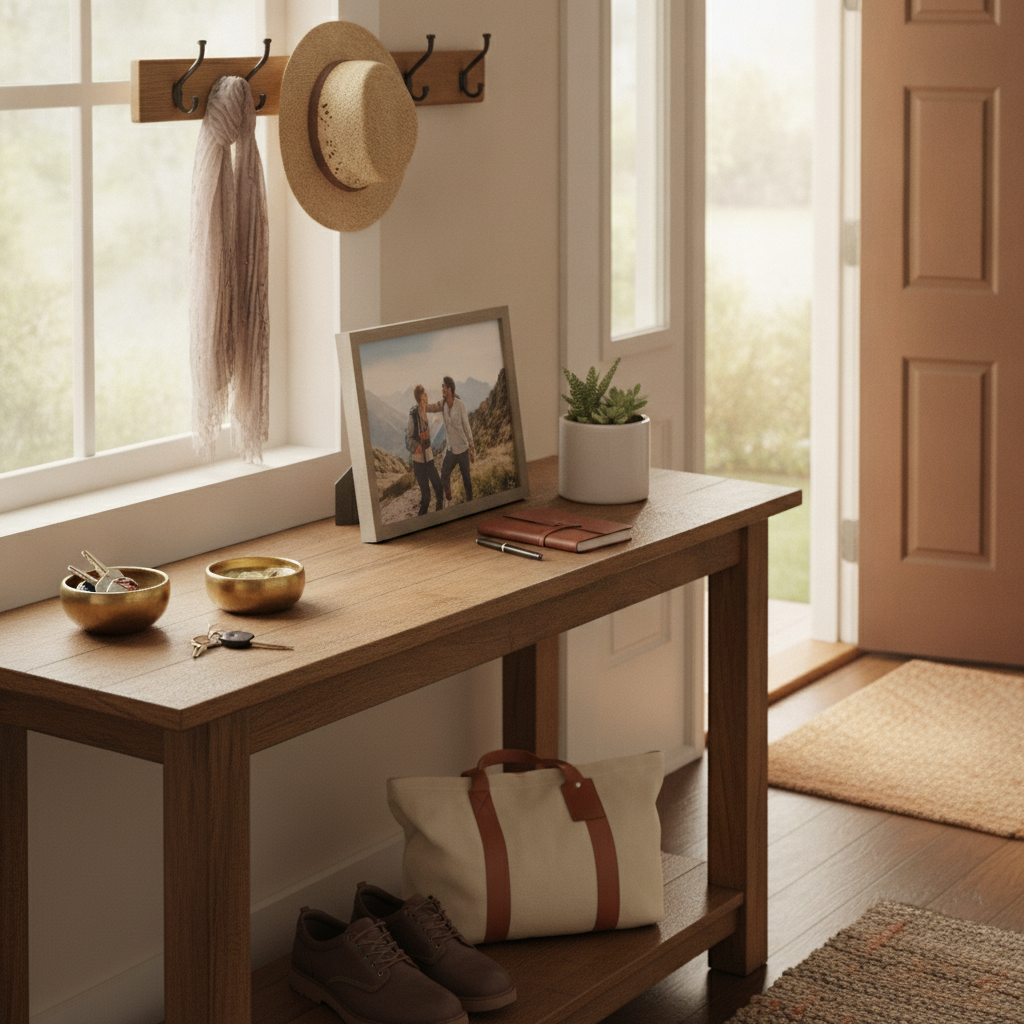
Why the Objects You Keep Near Your Front Door Shape How You Feel Leaving the House Each Day
The objects near your front door do more than hold keys and coats — they quietly set the emotional tone for how you leave home each day, and understanding that influence is the first step toward changing it.
By David Park | Jul 22, 2026

How to Build a Wind-Down Ritual That Actually Signals Your Brain to Stop Solving Problems
Most people don't struggle to wind down because they're not tired — they struggle because their brain never got a clear signal to stop. Here's how to build an evening ritual that actually works.
By Sarah Mitchell | Jul 19, 2026

Why Planning a Solo Weekend Trip Once a Season Is One of the Best Things You Can Do for Mental Clarity
Stepping away alone for a weekend once each season does something that rest days at home rarely can — it resets your thinking and restores a sense of clarity that busy routines slowly erode.
By Robert Kim | Jul 16, 2026
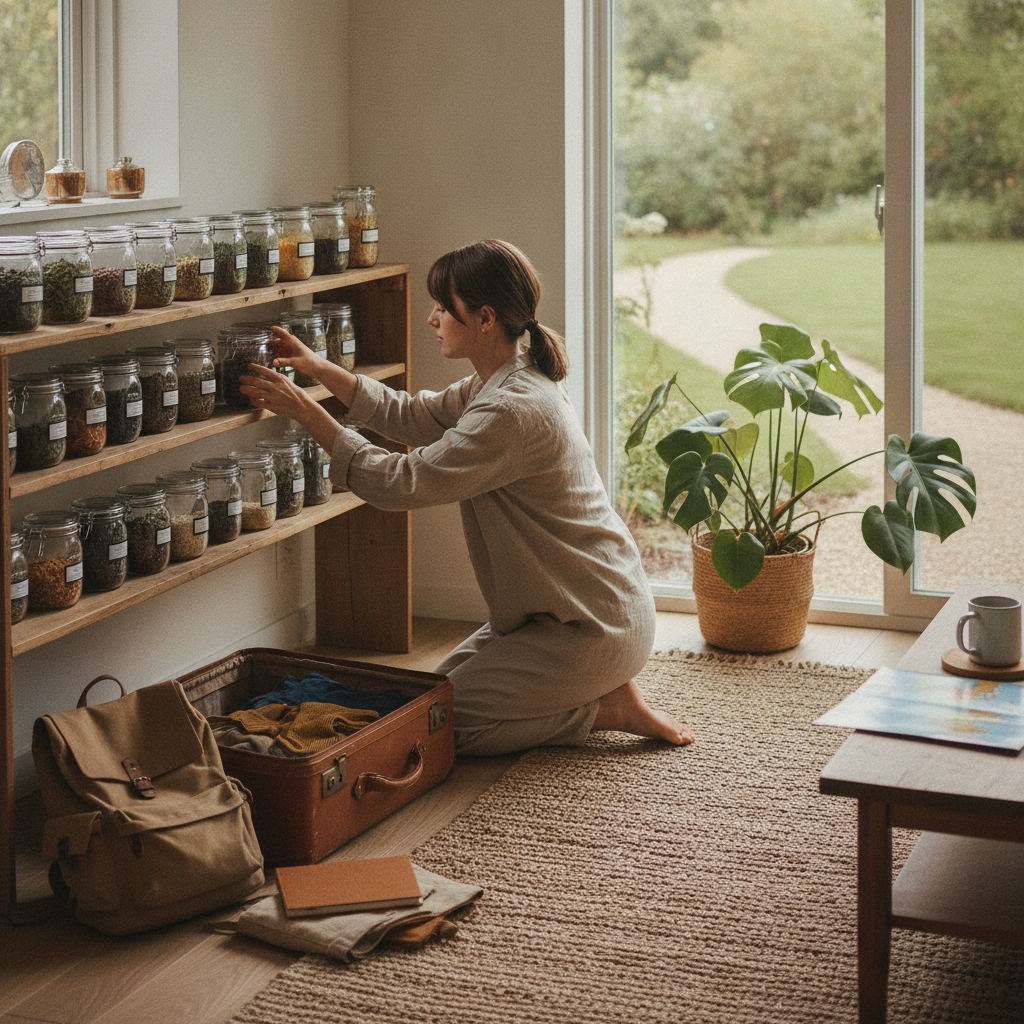
How Slow Travel Habits Quietly Reshape the Way You Organize Life at Home
Slow travel does more than broaden horizons — it rewires how people organize, maintain, and inhabit their lives at home. These habits of simplicity, attention, and intentional living have a quiet, lasting reach.
By Robert Kim | Jul 13, 2026

Why Keeping a Seasonal Home Reset Ritual Makes Everyday Spaces Feel New Again
A seasonal home reset ritual refreshes your living spaces four times a year, restoring energy and intention to rooms that routine has made invisible. Here's how to build a simple, sustainable rhythm that makes everyday spaces feel genuinely new again.
By Robert Kim | Jul 10, 2026

How to Design a Morning Routine That Actually Holds Up When Your Schedule Changes
Most morning routines fall apart the moment your schedule shifts. Here's how to build one flexible enough to actually hold up across busy weeks, travel days, and everything in between.
By Sarah Mitchell | Jul 07, 2026

Small Habits That Transform Your Health: Science-Backed Changes Anyone Can Make. You Can’t Miss
By Lena Grant | Mar 12, 2026

How to Build a Consistent Meal Prep Routine Without Burning Out
By Lena Grant | Feb 27, 2026

Stress-Proof Your Life: Practical Ways to Build a Healthier Mindset in Busy Seasons
By Aiden Reese | Feb 26, 2026

The Power of Micro-Workouts: How 10-Minute Sessions Can Elevate Your Whole Lifestyle
By Julian Styles | Feb 13, 2026

Digital Declutter: How to Regain Focus and Reduce Mental Overload. You Can’t Miss
By Owen Clarke | Nov 14, 2025

How to Reset Your Daily Routine: Morning, Afternoon, and Night Tweaks That Actually Work
By Gavin Pierce | Nov 14, 2025
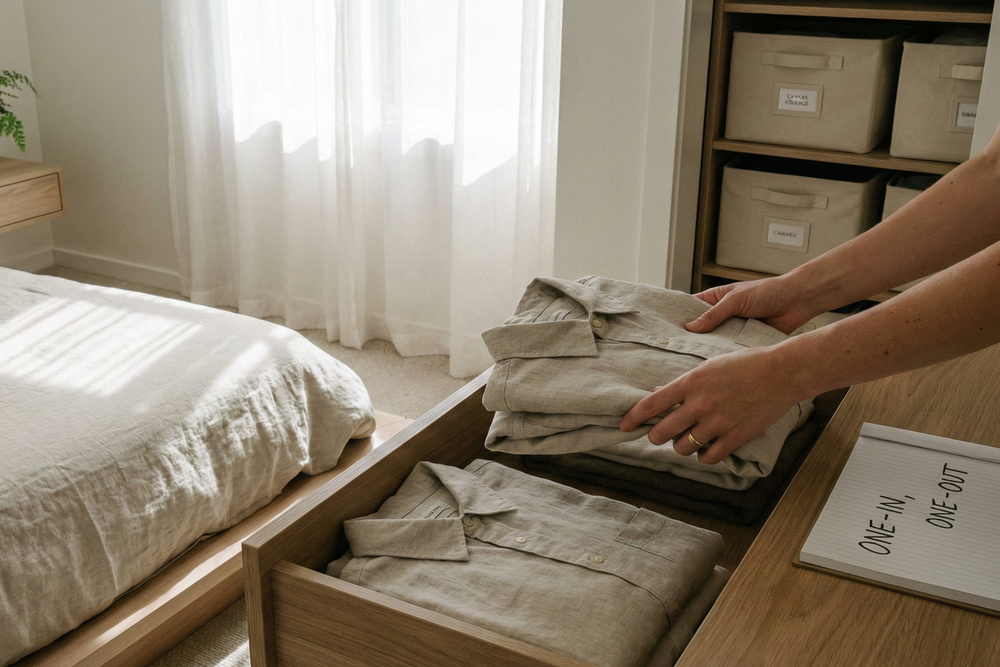
Minimalist Living in 2026: Clearing Clutter and Creating Space for What Matters
By Jackson Pierce | Nov 14, 2025

How to Create a Balanced Weekend Routine That Leaves You Energized, Not Exhausted. You Can’t Miss
By Gabriel Watts | Nov 14, 2025

How to Build a Weekly Wellness Ritual That Fits Your Schedule
By Kailey Watts | Nov 14, 2025