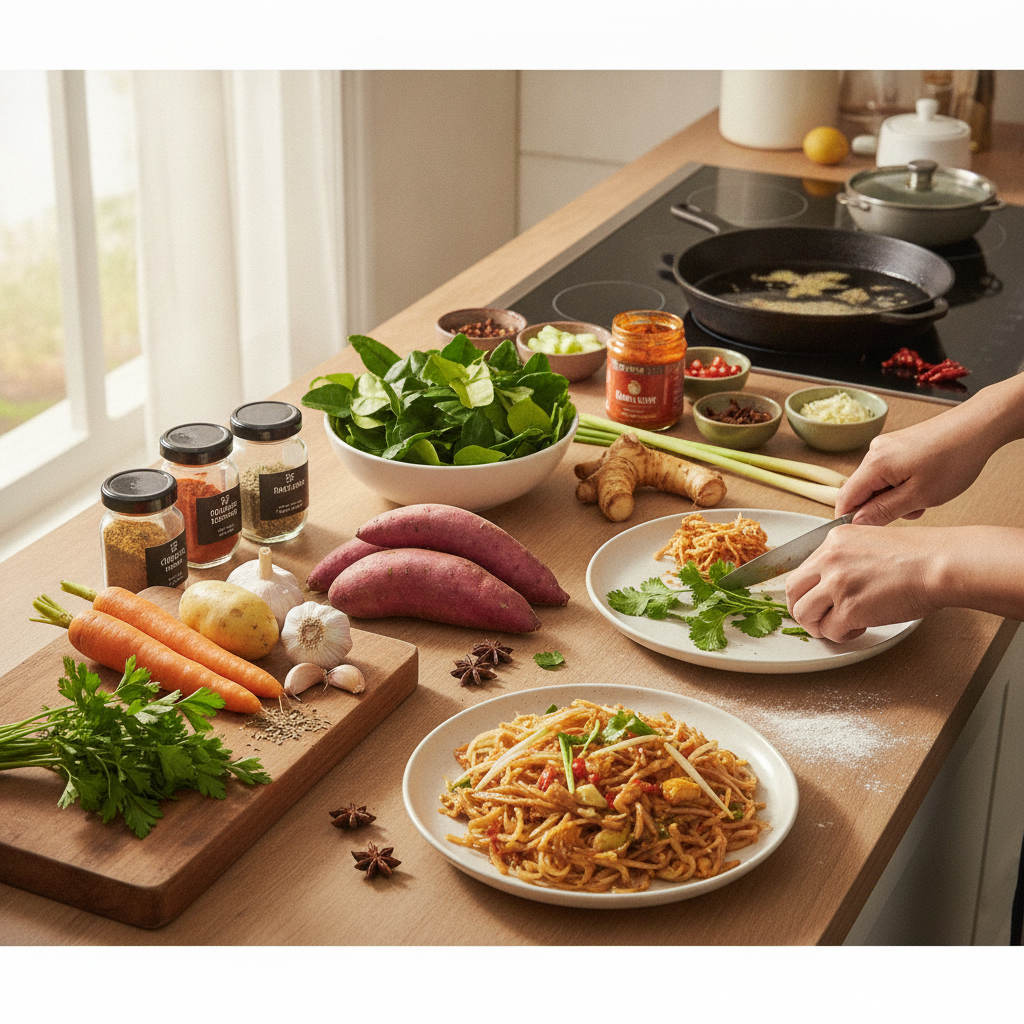
Most people treat the weekly grocery run as something to survive rather than something to savour. The list gets scrawled on the back of an envelope, the route through the store follows pure habit, and the whole thing ends with a cart full of the usual items and a vague sense that something was forgotten. It's one of those recurring tasks that feels too ordinary to deserve much thought — and yet, precisely because of how often it happens, it shapes daily life more than almost any single decision a person makes.
What Makes a Task Feel Like a Ritual Instead of a Chore?
The distinction between a chore and a ritual isn't about the activity itself — it's about the quality of attention brought to it. Anthropologists use the term *praxis*, meaning the deliberate enactment of values through repeated behaviour, to describe how communities turn ordinary actions into meaning-making moments. The same principle applies at the household level. When the grocery run is treated as a purposeful act — planned with care, approached with curiosity — it stops feeling like an obligation and starts feeling like a form of quiet agency. That shift in perspective is surprisingly powerful.
How Does Slowing Down the Planning Process Change Outcomes?
Planning a grocery trip with even fifteen extra minutes of attention produces noticeably different results than planning it on autopilot. People who pause to think about what they actually want to cook, rather than what they usually buy, tend to waste less food and spend more intentionally. Apps like Whisk or Paprika allow home cooks to build weekly menus from recipes they genuinely want to make, which transforms the shopping list from a reflex into a considered document. The ripple effect is real: less impulse buying, fewer half-used ingredients going soft at the back of the fridge, and meals that feel chosen rather than defaulted into.
Why Does the Choice of Store or Market Actually Matter?
Where a person shops shapes what they're exposed to, and that exposure quietly moulds taste over time. Farmers markets in cities like Portland or Melbourne operate on a principle the French call *circuit court* — short supply chains that keep producers and consumers in direct relationship. Browsing a stall run by the person who grew the produce creates a completely different sensory and social experience than scanning identical shelves under fluorescent lighting. Neither option is superior in every circumstance, but choosing deliberately — rather than defaulting to whatever is closest — means the shopping environment becomes part of the ritual rather than invisible background noise.
How Does a Deliberate Approach Affect What Ends Up in the Cart?
When the grocery run is treated as a ritual, the cart tends to reflect actual preferences and values rather than marketing pressures or habit. Research into consumer behaviour consistently shows that shoppers who enter stores without clear intention buy more impulsively and feel less satisfied with their purchases afterward. By contrast, those who arrive with a considered list — one built around seasonal produce, preferred flavours, and realistic meal plans — report higher satisfaction and less post-purchase regret. Stores like Trader Joe's or Whole Foods are designed to reward wandering, which isn't inherently bad, but wandering without intention produces very different results than wandering with curious purpose.
What Role Does Sensory Awareness Play in the Experience?
One of the quieter pleasures of treating grocery shopping as a ritual is the permission it grants to slow down and actually notice things. The texture of bread at a good bakery counter, the colour range of heirloom tomatoes, the smell of fresh herbs near the entrance of a well-run market — these are small sensory details that disappear entirely when the goal is pure efficiency. The Japanese concept of *shokunin kishitsu*, roughly translated as the craftsman's spirit, values deep attention to materials and process. Applying even a fraction of that attentiveness to something as modest as choosing produce elevates the experience and, quietly, the results.
How Does the Grocery Ritual Connect to Broader Lifestyle Intentions?
The weekly grocery run sits at an interesting intersection: it touches health, finances, creativity, and environmental awareness all at once. People who treat it deliberately tend to notice that the effects radiate outward. They cook more because they bought ingredients they're excited about. They waste less because the purchases felt considered. They spend more thoughtfully because the list was built around real needs. Over time, these small shifts accumulate into something larger — a household rhythm that feels coherent rather than reactive. The ritual, in other words, becomes a weekly recalibration point for the kind of life a person is trying to build.
What Happens When You Make This Shift Yourself?
If the grocery run has felt like background noise for years, the invitation here isn't to overhaul everything at once. Start by adding ten minutes of genuine menu reflection before writing the list. Choose one new ingredient per week — something unfamiliar, something seasonal, something that requires a little curiosity to use well. Visit a different market occasionally, even just to see what's there. Bring a reusable bag you actually like, put on a podcast you've been meaning to hear, and let the whole errand feel slightly more like a chosen experience and slightly less like a box to be ticked.
The frustration that most people feel about the weekly grocery run — that sense of going through the motions, of buying the same things and feeling no particular satisfaction — rarely comes from the task itself. It comes from the absence of intention. Treated as a ritual, even a modest one, the grocery run becomes a weekly moment of clarity: a chance to decide, with small but real consequence, what kind of week lies ahead.