Minimalist Living in 2026: Clearing Clutter and Creating Space for What Matters
Jackson Pierce
2026-01-11
6 min read
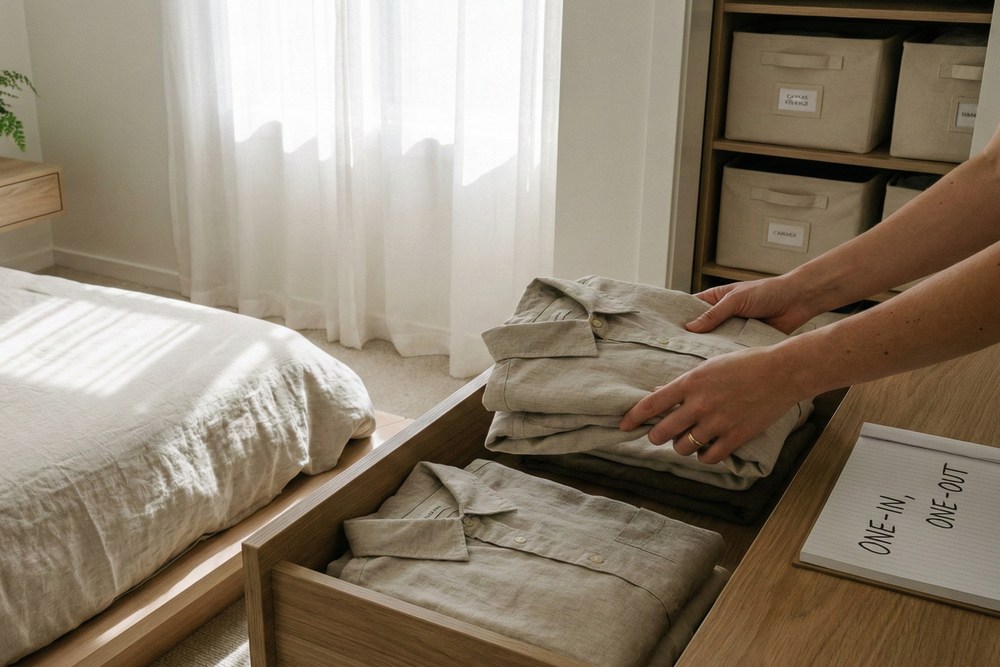
As we move further into 2026, the concept of minimalist living is evolving beyond a simple trend. It has become a lifestyle choice rooted in intention, mindfulness, and the pursuit of meaning over material accumulation. Minimalism isn’t just about decluttering physical spaces—it’s about creating mental clarity, focusing on what truly matters, and designing your life around priorities rather than possessions. For anyone looking to simplify their environment, improve focus, and enhance well-being, adopting a minimalist approach can be transformative.
Why Minimalism Matters in 2026
In today’s fast-paced, hyperconnected world, the constant influx of information, products, and commitments can be overwhelming. From social media pressure to endless consumer choices, the modern lifestyle often leads to stress, distraction, and fatigue. Minimalism provides a counterbalance, offering tools to prioritize what’s meaningful and reduce unnecessary noise. By intentionally curating your belongings and routines, you create physical and mental space that allows creativity, clarity, and personal growth to flourish.
In 2026, minimalism is about living intentionally, not just owning less. It encourages evaluating each item, relationship, or commitment through the lens of value and relevance. The goal isn’t deprivation but liberation—removing distractions to make room for experiences, relationships, and pursuits that enrich your life.
Start With Physical Spaces
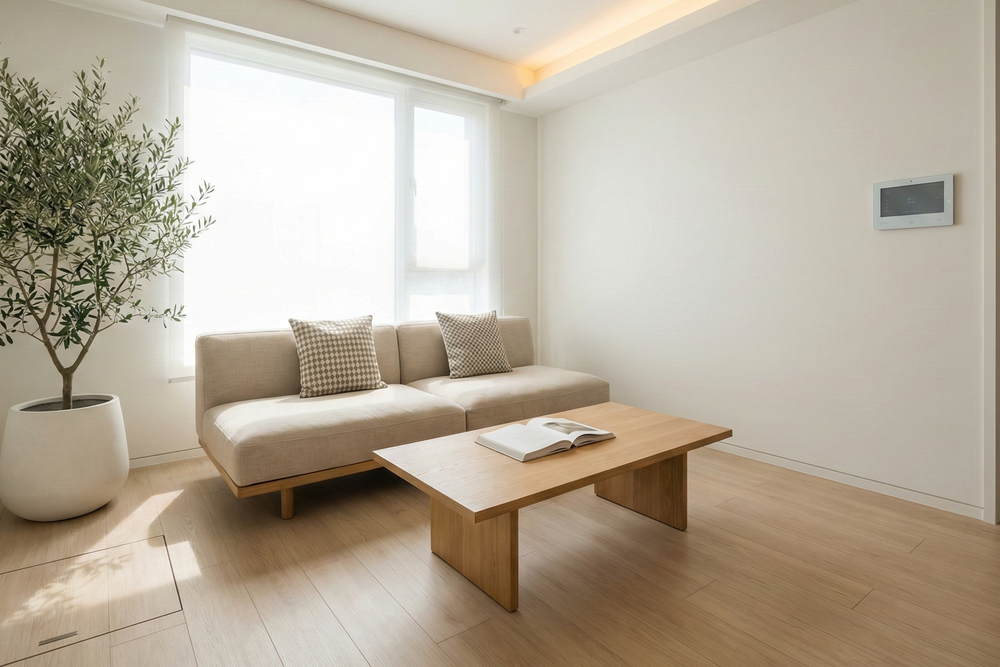
One of the most tangible aspects of minimalism is decluttering your environment. Your home, office, or personal spaces significantly influence your mental state. Research consistently shows that cluttered surroundings can increase stress, reduce focus, and even disrupt sleep. Starting with physical spaces can therefore yield immediate benefits.
Begin by tackling one area at a time, such as a bedroom, kitchen, or workspace. Ask yourself: Do I use this item? Does it bring me joy or serve a meaningful purpose? If the answer is no, it might be time to donate, recycle, or sell it. Modern minimalism also emphasizes multi-functional items. Furniture that doubles as storage, decor that serves practical purposes, or tools that combine several functions help you maintain a clean, purposeful environment without sacrificing convenience.
As you clear out physical clutter, consider adopting digital minimalism as well. Emails, notifications, and digital files can accumulate quickly, causing cognitive overload. Organize files, unsubscribe from unnecessary newsletters, and streamline your online presence to match the clarity of your physical environment.
Curate Your Commitments
Minimalist living extends beyond possessions—it includes how you manage your time and energy. Overcommitting is one of the leading causes of stress, yet many of us continue to say yes to obligations out of habit or social pressure. In 2026, prioritizing commitments is essential for creating a balanced, meaningful lifestyle.
Start by listing all your recurring commitments—work obligations, social events, volunteer roles, and personal projects. Evaluate each based on its alignment with your long-term goals, values, and personal well-being. Let go of activities that drain your energy without offering meaningful returns. By doing so, you create space for pursuits that genuinely enrich your life, whether that’s creative projects, quality time with loved ones, or personal growth.
Mindful Consumption
Minimalist living also reshapes the way we approach consumption. In a world saturated with advertisements, fast fashion, and constant product launches, resisting impulse purchases is more important than ever. Mindful consumption involves asking critical questions before acquiring anything new: Do I need this? Will it enhance my life or simply add to the clutter?
In 2026, sustainability and longevity are key elements of mindful consumption. Opting for high-quality, versatile items over disposable or trendy ones ensures that every purchase serves a purpose. This approach reduces waste, saves money, and reinforces the minimalist philosophy of valuing quality and function over quantity.
Creating Mental Space
Minimalism isn’t solely about your surroundings—it’s also about your mental landscape. A cluttered mind can be just as draining as a cluttered room. Practices such as journaling, meditation, and intentional goal-setting help clear mental clutter and foster clarity. By prioritizing reflection and mindfulness, you gain insight into what truly matters to you, allowing you to focus on meaningful experiences and relationships rather than distractions.
Regularly reviewing your goals, habits, and routines can also prevent unnecessary mental clutter. Ask yourself what tasks, projects, or patterns no longer serve your personal growth and adjust accordingly. This ongoing mental “decluttering” is a cornerstone of living a minimalist lifestyle that is both intentional and sustainable.
Designing a Minimalist Routine
A minimalist lifestyle thrives on routines that promote simplicity and intentionality. In 2026, designing your day around essential priorities rather than reactive tasks can drastically improve productivity and well-being. Start by identifying your most important daily practices—exercise, work focus, creative pursuits, or time with family—and structure your day around them.
Minimize distractions by reducing multitasking and focusing on one task at a time. Automate or outsource repetitive tasks where possible, and schedule downtime intentionally. The goal is not to eliminate activity but to ensure that your actions align with your values and support a meaningful life.
The Benefits of Minimalist Living
Embracing minimalism in 2026 offers tangible benefits: reduced stress, improved mental clarity, better focus, and increased satisfaction with life. A simpler environment allows for more time and energy to be directed toward personal growth, relationships, and memorable experiences. By curating possessions, commitments, and routines, you create space for creativity, connection, and joy—elements that are often lost in today’s cluttered world.
Minimalist living also promotes sustainability, encourages mindful consumption, and cultivates self-awareness. It’s a lifestyle choice that aligns modern convenience with intentional living, proving that less can truly be more.
Minimalist living in 2026 is about more than tidying up—it’s a comprehensive approach to life that prioritizes clarity, intentionality, and value. By clearing physical and mental clutter, curating commitments, consuming mindfully, and designing purposeful routines, you create the freedom to focus on what really matters. Minimalism empowers you to live intentionally, cultivate meaningful relationships, and pursue experiences that enrich your life.
More Trending Articles
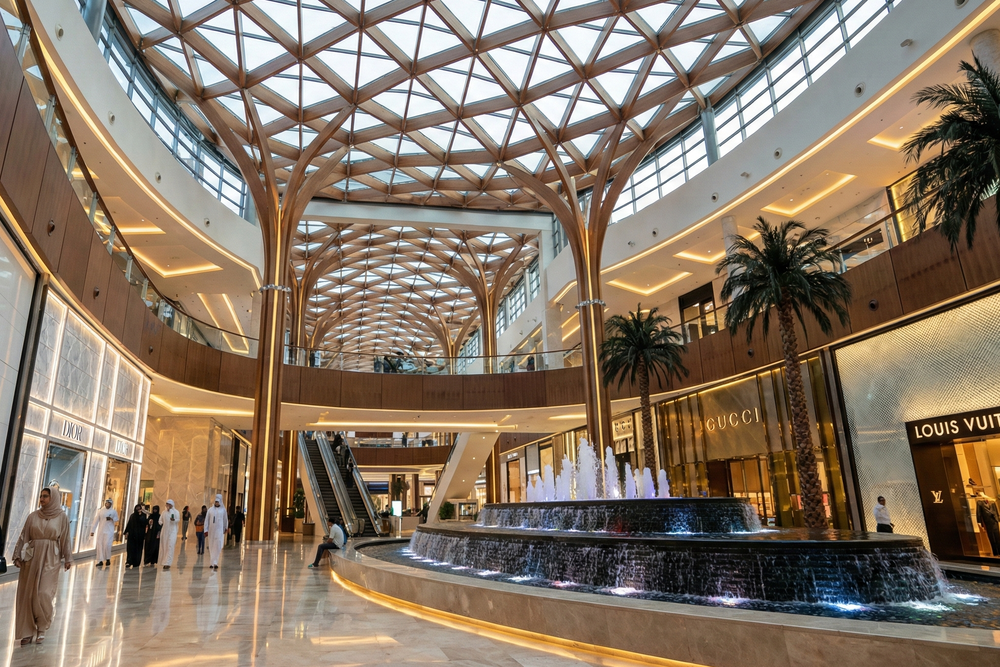
Best Destinations for Luxury Shopping: From High-End Malls to Designer Districts
Miles Russell
2026-02-06
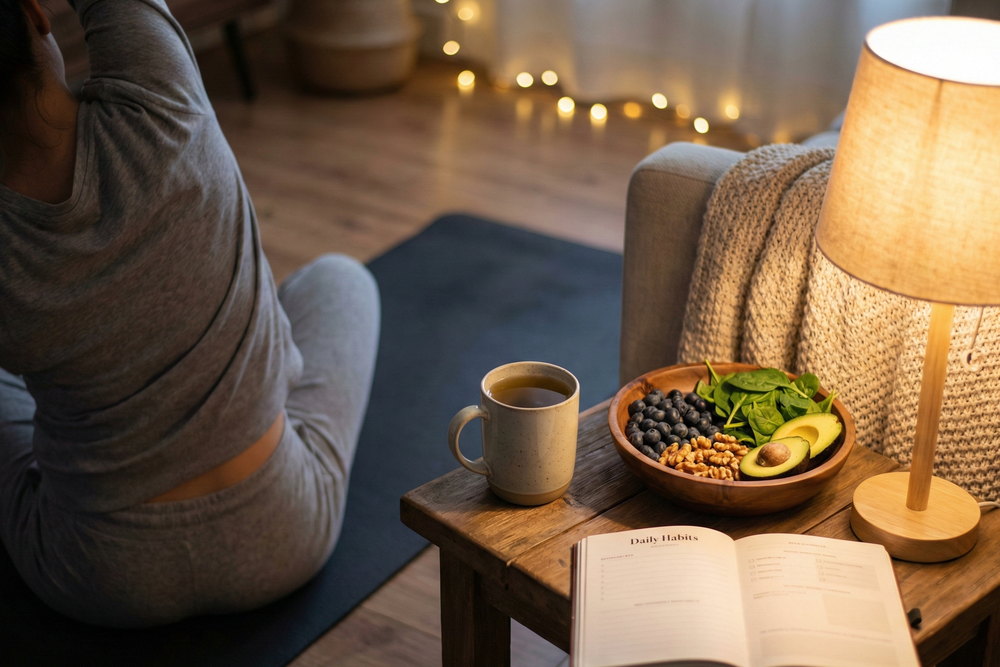
Small Habits That Transform Your Health: Science-Backed Changes Anyone Can Make. You Can’t Miss
Maeve Kennedy
2026-02-05
Seven Days in Tokyo: A Perfect Balance of Food, Culture, and Exploration. You Can’t Miss
Sofia Rodriguez
2026-02-05