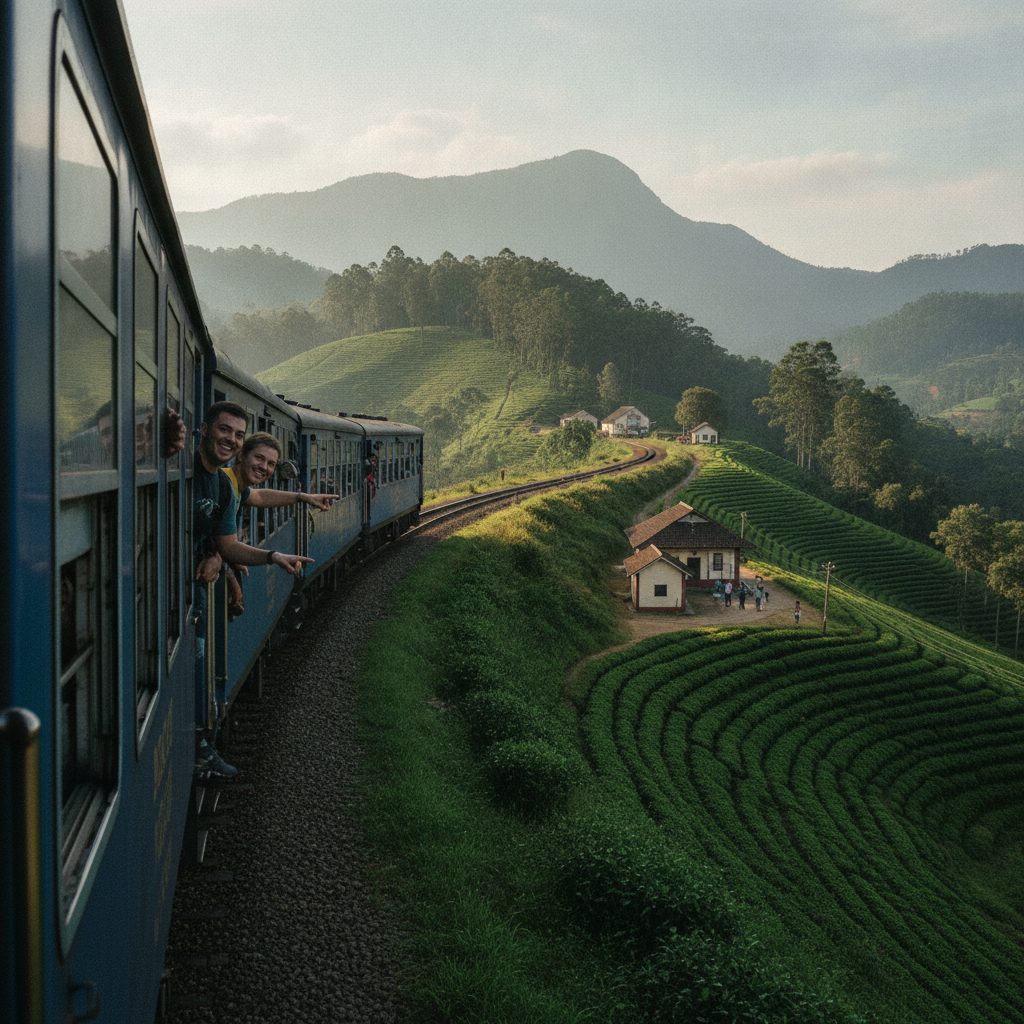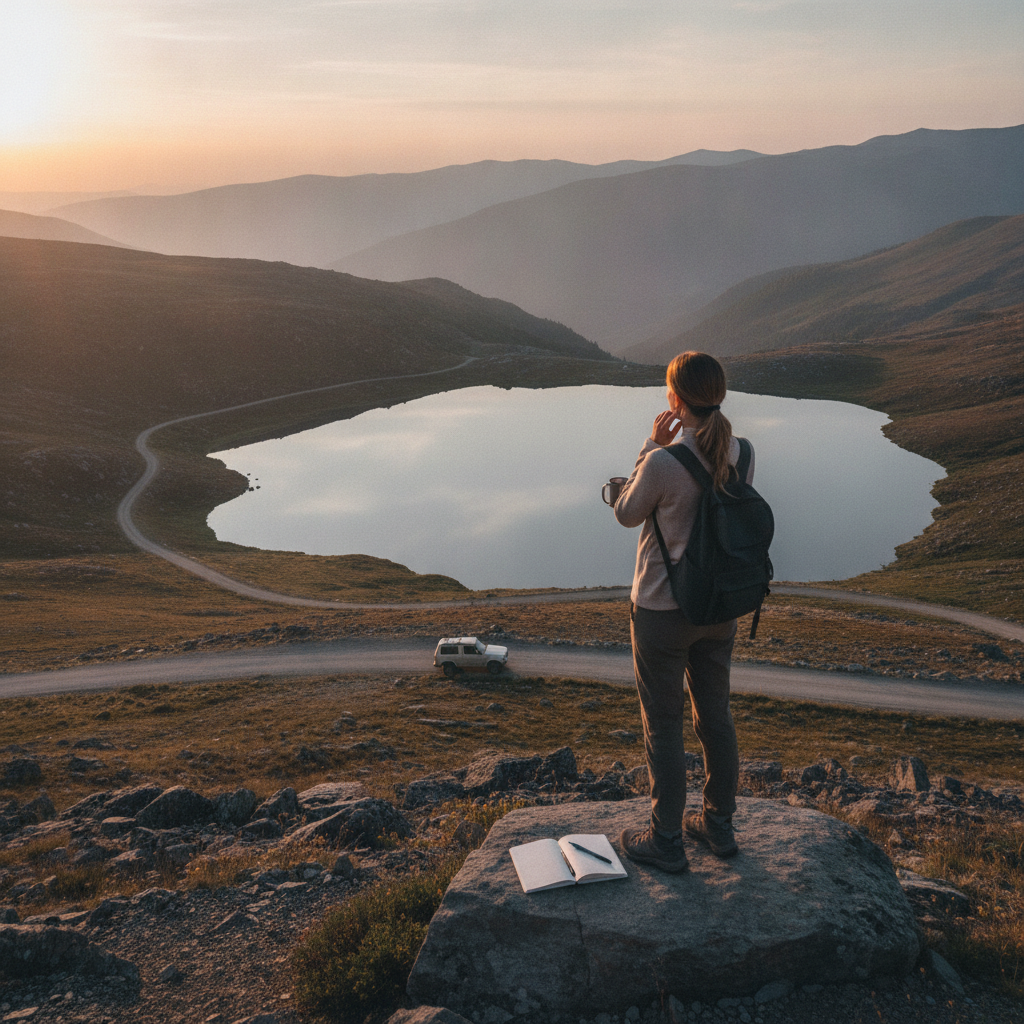
Most people carry a low-grade mental fatigue that builds so gradually they stop noticing it. Obligations stack up, routines blur together, and the weeks start feeling less like lived time and more like managed time. A solo weekend trip — even a short, modest one — has a way of breaking that cycle in ways that a rest day at home rarely can. When you step away from your usual environment alone, something resets. The mental noise quiets, and a clearer sense of what actually matters tends to surface.
Give Yourself Permission to Step Away Each Season
The idea of traveling alone four times a year might sound indulgent, but the scale matters far less than the rhythm. These don't need to be long-haul flights or expensive hotel stays. A two-night trip to a nearby city, a quiet cabin a few hours from home, or a coastal town you've never quite gotten around to visiting — any of these can do the work. What gives the practice its value is the regularity. When you know that a solo reset is coming at the turn of every season, you start carrying the week differently.
Build the Habit Before You Feel Like You Need It
Most people wait until they're already depleted before they think about stepping away. By then, even planning a trip can feel like another task on an overwhelming list. Scheduling your solo weekend at the start of each season — fall, winter, spring, summer — removes that decision fatigue entirely. You book it early, you protect the dates, and you let the anticipation do quiet work on your mood well before you've even packed a bag. Consistency turns a good idea into a genuine practice.
Choose Destinations That Favor Slowing Down
The kind of solo trip that supports mental clarity isn't the one that tries to cover as much ground as possible. It's the one that gives you room to wander without a checklist. Smaller cities, coastal towns, and walkable neighborhoods in places you've never prioritized tend to work well. You're not trying to optimize the experience — you're trying to let it breathe. A weekend in a place like Asheville, North Carolina or Ojai, California offers a different pace than a major metro, and that pace is often exactly what a tired mind needs most.
Let the Season Shape Where You Go
One of the quiet pleasures of making this a four-times-a-year practice is that each trip takes on a seasonal character of its own. A winter solo trip might mean a cozy inn in Vermont with long evenings to read and think. A spring trip might be built around a coastal drive when the crowds are still thin. Summer lends itself to mountain towns or national park edges. Fall is almost universally good for anywhere with foliage and cooler air. Letting the season shape the destination adds a natural variety that keeps the habit feeling fresh.
Plan Without Over-Planning
There's a useful tension to get right here. You want enough structure to make the trip feel real — booked accommodation, a rough sense of how you'll spend your time — but not so much that you've scheduled every hour. Apps like Roadtrippers work well for loose route planning without locking you into anything rigid. For accommodation, Booking.com and Airbnb both make it easy to filter for quieter, more residential options rather than tourist-district hotels. Leave your afternoons intentionally open, because unscheduled time is precisely what you're traveling toward.
Track Your Budget Without Letting It Dominate the Planning
Solo trips are almost always more affordable than group travel, and that's one of their underrated advantages. You eat when you want, spend what you choose, and don't negotiate anyone else's preferences. Apps like Trail Wallet help you set a daily spending limit without obsessing over every transaction. Keeping a soft budget in mind — rather than a rigid one — means you can decide in the moment whether a nicer dinner or a local experience is worth the extra cost, without the guilt that comes from feeling like you've blown a plan.
What Changes When You Do This Consistently
The benefits of a single solo trip are real but temporary. The benefits of doing it once a season compound over time. People who build this rhythm tend to return home with a clearer sense of their own preferences, a more patient relationship with daily stress, and a renewed sense of agency over their own time. The trips themselves become reference points — a way of marking the year that feels personal and intentional rather than just reactive. You start to notice the difference between busyness and a life that feels like yours.
As solo travel continues to grow as a practice, more destinations, platforms, and accommodations are quietly orienting themselves toward the independent traveler who wants depth over volume. The infrastructure for this kind of intentional, low-pressure solo trip is only getting better — which means the barriers to making it a seasonal habit are lower than they've ever been. The best time to book the first one is simply before the next season turns.