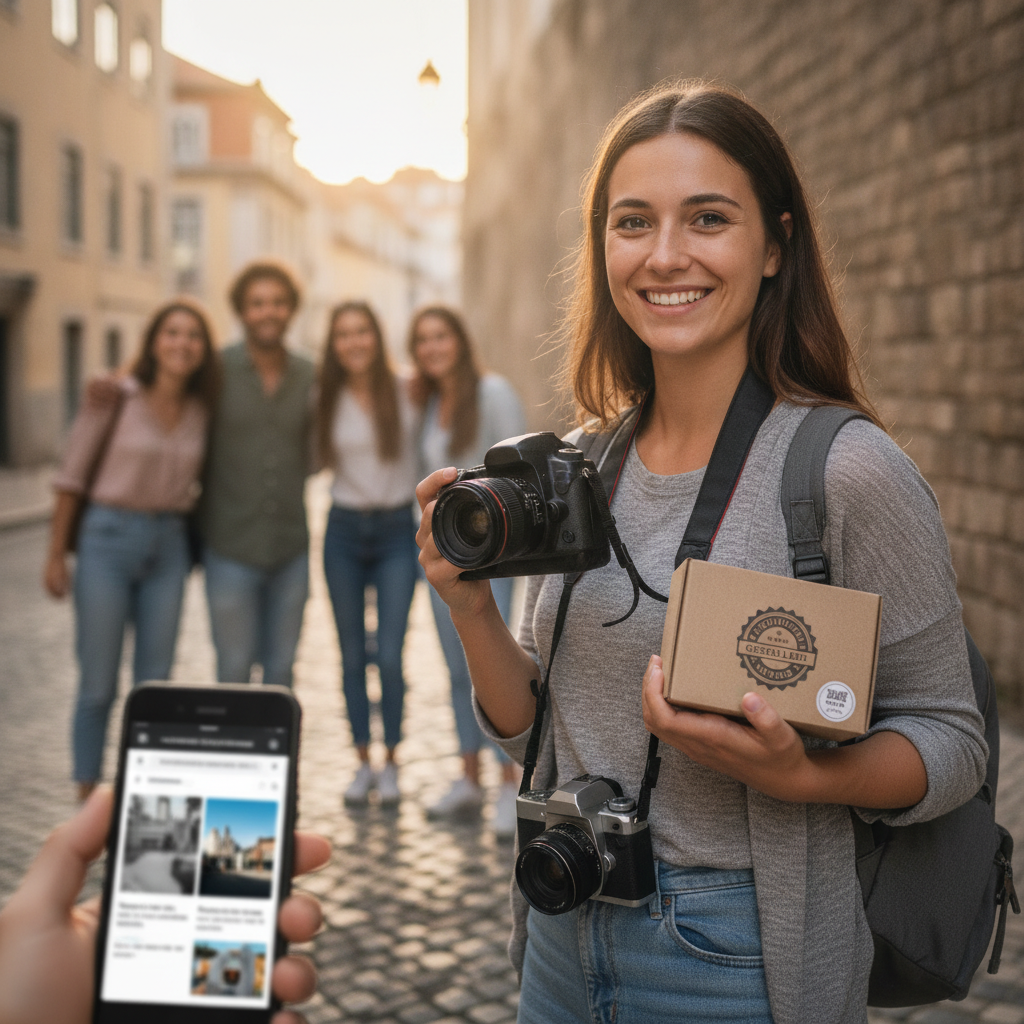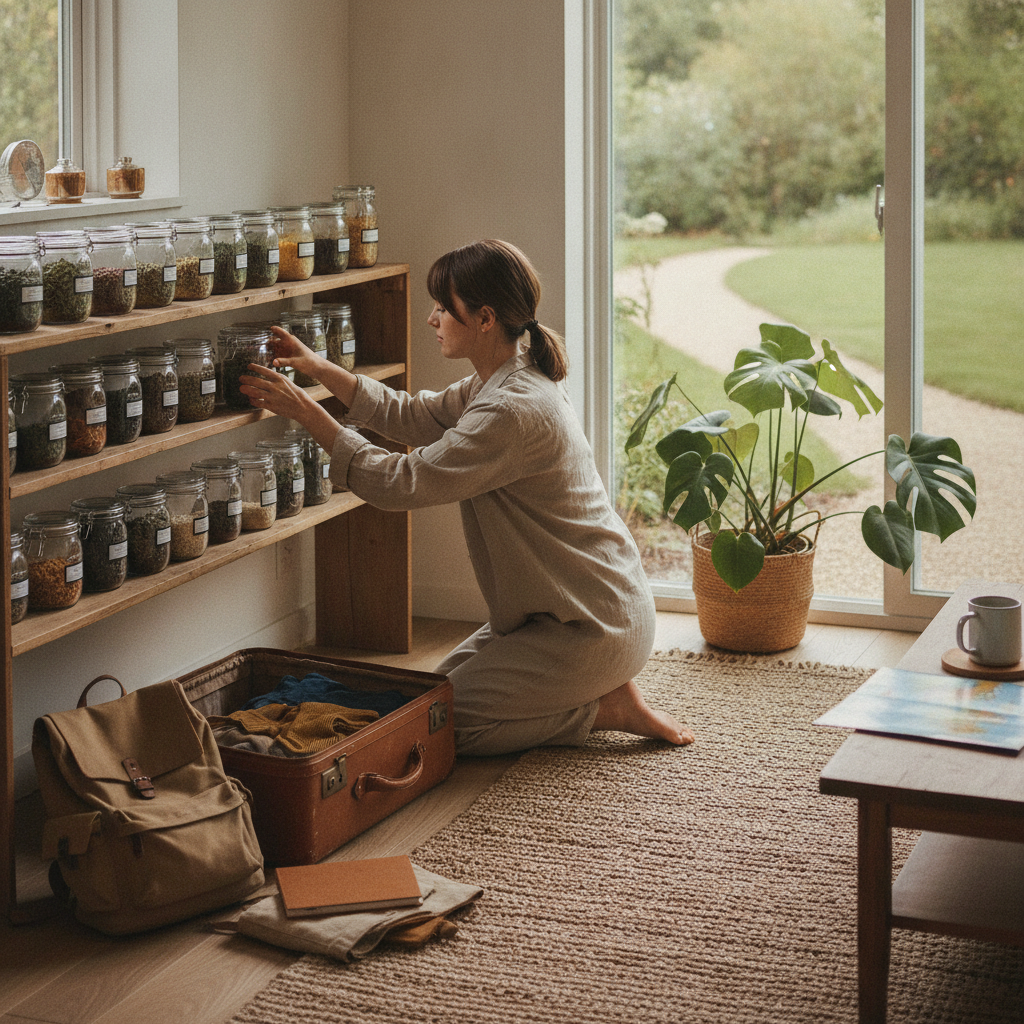
Spending extended time in an unfamiliar place has a way of reorganizing a person from the inside out. The slower pace, the stripped-down routines, the absence of accumulated clutter — these conditions don't just make travel feel different from ordinary life. Over time, they teach habits of mind and home that follow a person back through the door, rearranging priorities in ways that feel almost involuntary.
The Discipline of Traveling With Less
Slow travelers — those who spend weeks or months in a single destination rather than racing between cities — quickly learn that owning fewer things is not a sacrifice but a relief. When everything a person needs fits into one bag during a long stay in a place like Chiang Mai or Porto, the psychological weight of possessions becomes undeniable. Back home, that realization tends to stick. Closets get edited, kitchen drawers get cleared, and the impulse to accumulate fades. This isn't minimalism as an aesthetic trend; it's a functional recalibration that emerges from lived experience.
Meal Planning Born From Market Rhythms
In many parts of the world, slow travelers fall naturally into a pattern called *mercado thinking* — shopping daily or every few days from local markets, buying only what will be used soon, and cooking around what's fresh rather than what's convenient. In neighborhoods like Rome's Prati district or Oaxaca's Mercado 20 de Noviembre, this approach becomes second nature. Once home, people often find themselves applying the same logic: fewer stockpiled items, more intentional grocery lists, and a sharper awareness of what actually gets eaten versus what quietly expires in the back of the pantry.
Relearning the Purpose of Domestic Space
A furnished apartment abroad rarely contains more than what's necessary — a table, a few chairs, basic cookware, and good light. Travelers who live this way for an extended period begin to question the density of their permanent homes. The concept of *wabi-sabi*, a Japanese aesthetic philosophy that finds beauty in simplicity and impermanence, offers a useful frame here. Rather than filling space to signal comfort, returning travelers often start to think about what each room actually needs to support daily life, stripping back layers of accumulated furniture, décor, and storage solutions that solve problems they no longer have.
Time Structured Around Place, Not Productivity
One of the quieter transformations that slow travel encourages is a different relationship with daily scheduling. When a person is living in Medellín for six weeks or settling into a rental near Lisbon's Alfama neighborhood, the day tends to organize itself around the rhythms of the place — when markets open, when the afternoon heat arrives, when neighbors gather outside. This is sometimes described as *tempo libero*, an Italian phrase meaning free time, though it implies something richer: time shaped by place and season rather than task lists. At home, this often manifests as more intentional mornings, longer meals, and a reduced compulsion to account for every half-hour of the day.
The Art of Maintaining Fewer But Better Things
Slow travel has a way of teaching people to care for objects rather than replace them. Living with a compact set of tools — one good knife, a reliable bag, a worn-in pair of walking shoes — builds an appreciation for durability and maintenance that doesn't disappear when the trip ends. Back home, this translates into a more deliberate approach to household items: repairing rather than discarding, buying less frequently but with more consideration, and choosing quality in areas where it genuinely matters. Apps like Todoist or Notion often get repurposed by returning travelers to track household maintenance schedules with the same quiet discipline they once applied to travel logistics.
Relationships Renegotiated Through Distance and Return
Extended time away from home routines also clarifies which social obligations are genuinely nourishing and which are merely habitual. Slow travelers frequently report that distance made them better at protecting their energy — saying no to low-value commitments and yes to deeper, less frequent connection. The sociological term *social pruning* captures this process: a natural reduction in surface-level engagements that creates space for more meaningful ones. When brought home, this habit reshapes calendars, reduces the background noise of constant social obligation, and tends to improve the quality of relationships that remain.
Bringing the Traveler's Attention Home
All of these shifts rest on a single underlying change: the quality of attention. When you're somewhere new, you notice things — the angle of afternoon light, the sound a neighborhood makes at dusk, the particular satisfaction of a well-made espresso taken slowly. That attentiveness is not exclusive to unfamiliar places; it simply gets activated more easily there. What slow travel ultimately teaches is that the same quality of presence can be brought to an ordinary Tuesday at home. The kitchen can be treated with the care of a rented apartment in Valencia. The weekend market near your neighborhood can become the mercado that shapes the week's meals. The morning walk can hold the same quality of observation as a first week in an unknown city. The traveler who comes home carrying these habits doesn't find their life fundamentally changed — they find it more fully inhabited.
Traveling slowly begins as a way of seeing the world, but it quietly becomes a way of seeing the life that waits at home. The same instincts that make a person pack lighter, cook fresher, and spend their hours more deliberately abroad don't evaporate at the airport. They settle in, rearrange the furniture of daily habit, and leave the ordinary feeling — surprisingly — like enough.