Digital Declutter: How to Regain Focus and Reduce Mental Overload. You Can’t Miss
Owen Clarke
2026-01-22
6 min read

In today’s hyperconnected world, our attention is constantly under siege. Notifications ping relentlessly, emails pile up, social media scrolls endlessly, and digital devices demand attention at every turn. While technology offers incredible convenience and access to information, it also brings a hidden cost: mental overload. Many people feel exhausted, distracted, and unable to concentrate, despite being “plugged in” 24/7. The solution isn’t abandoning technology altogether; it’s learning to declutter your digital life—a crucial step for regaining focus, reducing stress, and reclaiming your time.
Understanding Digital Overload
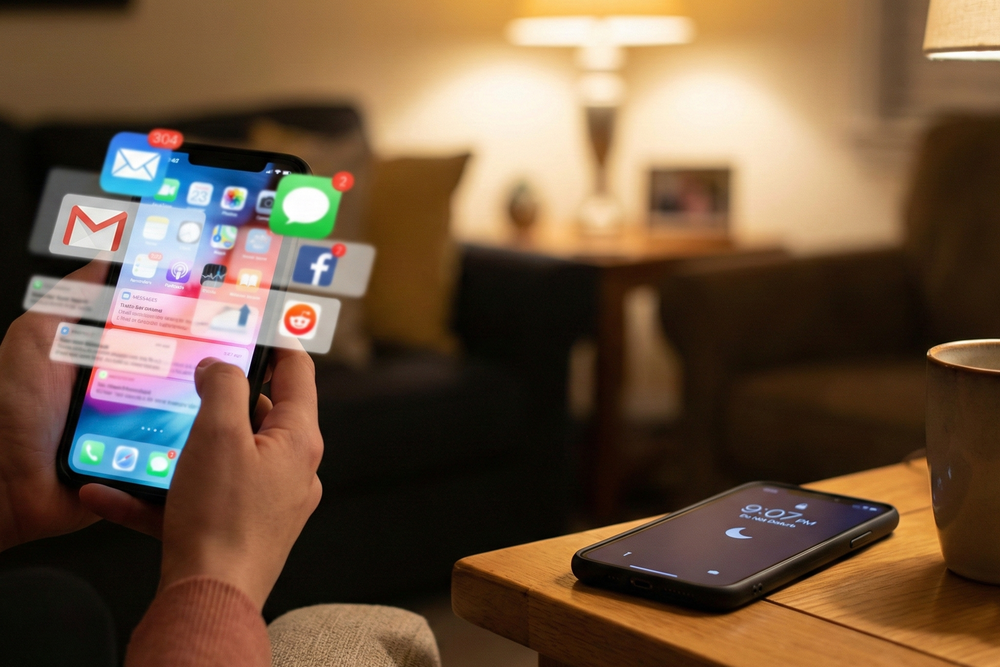
Digital overload is more than just a buzzword; it’s a real phenomenon with measurable impacts on productivity, mental health, and well-being. Constant notifications trigger stress responses in the brain, fragment attention, and make it harder to complete tasks efficiently. Research shows that switching between apps and tasks can cost up to 40% of productivity, and over time, it contributes to fatigue, anxiety, and even sleep disruption. Recognizing that digital clutter isn’t just inconvenient—it’s affecting your health—is the first step toward meaningful change.
Start With Your Devices
The first step in digital decluttering is examining your devices. Smartphones, laptops, and tablets often harbor unnecessary apps, outdated files, and redundant accounts that silently sap mental energy. Begin by removing apps you rarely use. If an app isn’t serving a clear purpose, delete it. Even subtle reductions in app clutter can reduce decision fatigue—the constant small choices your brain makes when deciding whether to check an app, reply to a message, or scroll.
Next, organize your files and folders. A messy desktop or scattered cloud storage can create stress and make it harder to find what you need. Creating clear folders for work, personal projects, and media, and routinely deleting outdated files, provides clarity. Streamlining your digital workspace mimics the benefits of a clean physical environment: fewer distractions, faster task completion, and a calmer mindset.
Email Management
Emails are one of the most pervasive sources of digital overload. An overflowing inbox can induce anxiety, even when there’s nothing urgent. Begin by unsubscribing from newsletters and promotional emails that no longer serve you. Email management tools, such as filters and folders, can automatically sort incoming messages, allowing you to focus on what truly matters. Consider designating specific times to check email instead of responding immediately to every alert. Batch processing messages reduces the constant mental interruptions that fragment focus.
Social Media Detox
Social media can be particularly draining for both attention and emotional well-being. Notifications, algorithms, and endless scrolling hijack attention and trigger dopamine loops that are difficult to break. Begin your social media declutter by identifying which platforms add value and which create stress. Limit daily usage with timers or focus apps, mute nonessential notifications, and unfollow accounts that don’t contribute positively to your life. A mindful approach transforms social media from a time-consuming distraction into a tool for genuine connection.
Notification Overhaul
Notifications are the digital equivalent of background noise—constant and demanding. They train the brain to respond immediately, even if the alert isn’t important. Conduct a notification audit, turning off nonessential alerts across devices. For example, allow notifications only from priority contacts, work-critical apps, or essential reminders. Silence unnecessary pings and badges, reducing the cognitive load and allowing you to focus on tasks without constant interruptions. You’ll notice a dramatic difference in your ability to concentrate and think clearly.
Digital Minimalism in Daily Life
Digital decluttering isn’t a one-time project—it’s a lifestyle adjustment. Start by scheduling intentional tech-free time, such as during meals, before bed, or the first hour after waking. This practice helps reset your brain, improves sleep, and encourages deeper engagement with your surroundings. Another approach is batching digital tasks: allocate specific time blocks for checking email, messaging, or social media, rather than handling them sporadically throughout the day. These strategies reinforce control over your technology rather than being controlled by it.
Additionally, consider curating your digital consumption. Limit passive browsing and prioritize content that aligns with your goals, learning, or personal interests. Replace time spent on aimless scrolling with activities that nourish your mind, body, and creativity. Podcasts, e-books, and productivity apps designed to enhance focus can replace the digital clutter with meaningful input.
Benefits of a Digital Declutter
The effects of decluttering your digital life extend far beyond productivity. Many people report improved mental clarity, reduced stress, better sleep, and more energy for hobbies, relationships, and self-care. Fewer interruptions mean deeper focus at work or study, while intentional tech use promotes mindfulness and a stronger sense of control over daily life. By prioritizing what matters digitally, you make room for the things that matter in the real world.
Getting Started
To start your digital declutter, pick one area—devices, email, social media, or notifications—and tackle it this week. Remove unnecessary apps, clean up your files, unsubscribe from irrelevant emails, and turn off nonessential notifications. Over time, layer additional changes, turning the declutter into a consistent practice rather than a one-off task. Small, deliberate steps create lasting results and can transform your relationship with technology.
Digital clutter doesn’t have to dominate your life. By intentionally organizing devices, managing email and notifications, and approaching social media mindfully, you can regain focus, reduce mental overload, and reclaim your time and energy. Digital decluttering is about more than tidying up files—it’s about creating space for concentration, creativity, and a calmer, more intentional life. For anyone feeling constantly pulled in a hundred directions by technology, a structured digital declutter is something you truly can’t miss.
More Trending Articles

Best Destinations for Luxury Shopping: From High-End Malls to Designer Districts
Carter Grant
2026-02-06

Small Habits That Transform Your Health: Science-Backed Changes Anyone Can Make. You Can’t Miss
Emerson Gray
2026-02-05

Seven Days in Tokyo: A Perfect Balance of Food, Culture, and Exploration. You Can’t Miss
Miles Russell
2026-02-05