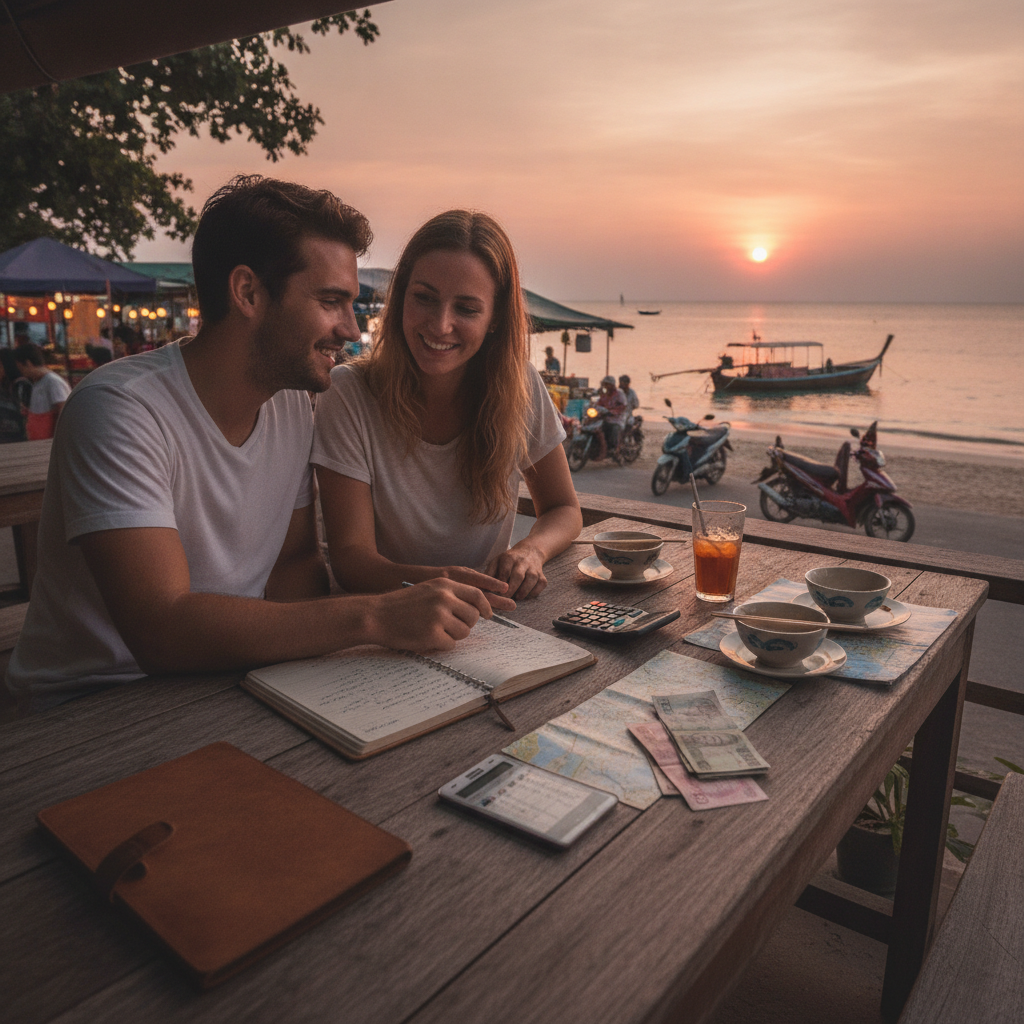
Slow travel through Southeast Asia sounds dreamy until you realize you have no idea how much it actually costs per day. You know it's cheaper than Europe, you've heard vague figures thrown around in hostel common rooms and travel forums, but committing to a real number feels surprisingly hard. The truth is, most budget breakdowns you find online are either outdated, oversimplified, or written by someone whose version of "budget travel" looks nothing like yours. Building a daily budget that actually works starts with understanding what drives your costs — and being honest about your own habits.
Start With Your Non-Negotiables
Before you touch a spreadsheet or download a budgeting app, get clear on what you genuinely won't compromise on. Some travelers sleep fine in a dorm bed. Others need a private room with air conditioning — and that's not a character flaw, that's just useful information. Think about how you eat, how often you move between cities, and whether co-working access matters to you. Your non-negotiables form the floor of your daily budget. Everything else is flexible. Getting honest about them early saves you from chronic underbudgeting, which is far more stressful than simply planning for realistic costs from the start.
Break Your Budget Into Three Buckets
A daily budget works best when you stop thinking of it as one number and start treating it as three separate categories: fixed costs, variable costs, and a buffer. Fixed costs include accommodation and any recurring subscriptions you're keeping while you travel. Variable costs cover food, transport, activities, and the occasional splurge. Your buffer — typically ten to fifteen percent of your daily estimate — absorbs the surprises: the tuk-tuk that charges triple on a holiday, the delayed bus that forces a last-minute hotel stay, the visa extension fee nobody warned you about. Separating these three buckets gives you a much clearer picture of where your money actually goes.
Anchor Your Estimates to Specific Countries
Southeast Asia is not one budget. Vietnam, Cambodia, and Indonesia's smaller islands tend to run cheaper day-to-day than Thailand's tourist centers or Singapore, which operates on an entirely different price level. A comfortable day in Chiang Mai — good street food, a mid-range guesthouse, a temple or two — costs a fraction of what you'd spend in Bali's Seminyak neighborhood, where Western-facing restaurants and beach clubs quietly drain your account. Research costs country by country rather than region-wide. Apps like Numbeo give you reliable baseline comparisons between cities, which makes it much easier to set realistic expectations before you arrive somewhere new.
Account for the Slow Travel "Leak"
Slow travel saves money on transport and accommodation, but it introduces a different kind of spending pressure: comfort creep. When you're staying somewhere for three or four weeks, you start feeling at home — which means you start spending like it. You sign up for a monthly gym, eat out more than you planned, grab coffee at the nice café with Wi-Fi instead of the local place down the street. None of these choices is wrong on its own. The problem is when they accumulate invisibly. Tracking your spending weekly, even loosely using something like Trail Wallet or a simple notes app, keeps the drift visible before it becomes a real problem.
Factor In Health and Safety Costs
Travel insurance, vaccinations, and the occasional clinic visit are real line items that many first-time slow travelers forget to budget for. A stomach bug in rural Laos or a motorbike scrape in Lombok can go from inconvenient to expensive without decent coverage. Annual multi-trip policies vary widely in what they cover, so comparing a few options before you leave is worth the time. Budget a small monthly amount for out-of-pocket health costs — pharmacies, minor consultations, prescription refills — because these add up quietly over a long trip. Treating health coverage as optional is one of the most common budgeting mistakes in long-term travel.
Build in a Monthly "Fun Fund"
One of the fastest ways to burn out on slow travel is keeping yourself on a relentlessly tight daily budget with no room for the experiences that make the trip memorable. A cooking class in Hoi An, a day trip to the Mekong Delta, a night in a nicer guesthouse when you're tired — these things cost real money, and pretending they won't happen is just setting yourself up to feel guilty when they do. A small monthly discretionary fund, separate from your daily variable costs, gives you permission to say yes occasionally without derailing the bigger picture. Think of it as planned spontaneity.
Know When to Revisit and Adjust
Your first budget estimate is a starting point, not a contract. After your first two or three weeks on the road, sit down and compare what you actually spent against what you planned. You'll almost certainly find that some categories were off — sometimes higher, sometimes lower than expected. Accommodation in Penang might come in under budget while food costs more than you anticipated because the hawker stalls you planned to live on are a fifteen-minute walk from your guesthouse. Adjust your numbers based on real data rather than sticking stubbornly to a pre-trip estimate that no longer reflects reality. A budget that evolves with you is far more useful than one that just makes you feel bad.
Slow travel in Southeast Asia remains one of the most financially accessible ways to spend extended time abroad, and that's unlikely to change anytime soon. As more remote-friendly work arrangements make longer trips practical for a wider range of people, the tools for tracking and managing travel budgets are also improving. Spending apps are getting smarter, real-time currency conversion is more accurate, and community resources for destination-specific cost data are more detailed than ever. The travelers who get the most out of the region aren't necessarily the ones spending the least — they're the ones who know exactly what they're spending and why.