There is a version of Southern Italy that most people never see — not because it's hidden, but because they arrive at the wrong time. The height of summer in places like Amalfi, Matera, and the Aeolian Islands brings a particular kind of beautiful chaos: queues that stretch past ancient walls, restaurants with fixed tourist menus, and ferry docks that feel more like airport terminals. Shoulder season, those quieter weeks straddling either side of the high-summer peak, offers something genuinely different. The light softens, the towns exhale, and a traveler with a little flexibility finds themselves in a place that feels closer to how it actually lives.
The Rhythm of the In-Between Months
April, May, late September, and October are generally considered the shoulder months across Southern Italy's most-visited regions, though the precise edges of the season shift slightly depending on location. The Campania coast, for instance, tends to quiet noticeably after the second week of September, while inland destinations like Basilicata feel calmer even earlier. During these weeks, the *sagre* — local food festivals celebrating everything from chili peppers to figs to olive harvests — begin to appear on town calendars, and they're attended almost entirely by locals. This is not incidental. The sagra is a deeply communal ritual, a way for small towns to mark the agricultural calendar and gather around a shared table, and experiencing one during shoulder season means being welcomed into something genuinely civic rather than staged for visitors.
The practical advantages accumulate quickly. Accommodation prices at well-regarded agriturismi — working farm stays that offer rooms and meals made from their own produce — drop considerably outside peak months, and availability opens up in places that would otherwise require booking many months in advance. The same applies to ferries to the smaller Aeolian Islands, which run on reduced but manageable schedules and carry far fewer passengers. A traveler arriving in late September at Stromboli or Filicudi finds hiking trails mostly empty and restaurants still fully open, their menus leaning into seasonal ingredients rather than crowd-pleasing standards.
What Changes and What Doesn't
It would be misleading to suggest shoulder season in Southern Italy is entirely without compromise. Some beach clubs along the Cilento coast close after Labor Day weekend in early September, and a handful of boutique hotels operate on reduced capacity or close entirely after mid-October. A few of the more famous cliff-side restaurants along the Amalfi Drive do the same. But this reality is often overstated by travelers who conflate "shoulder season" with "off-season" — they are meaningfully different conditions. In late May or early October, the majority of businesses in Lecce, Palermo, Positano, and Tropea are fully open and actively welcoming guests. The difference is the crowd level, not the availability.
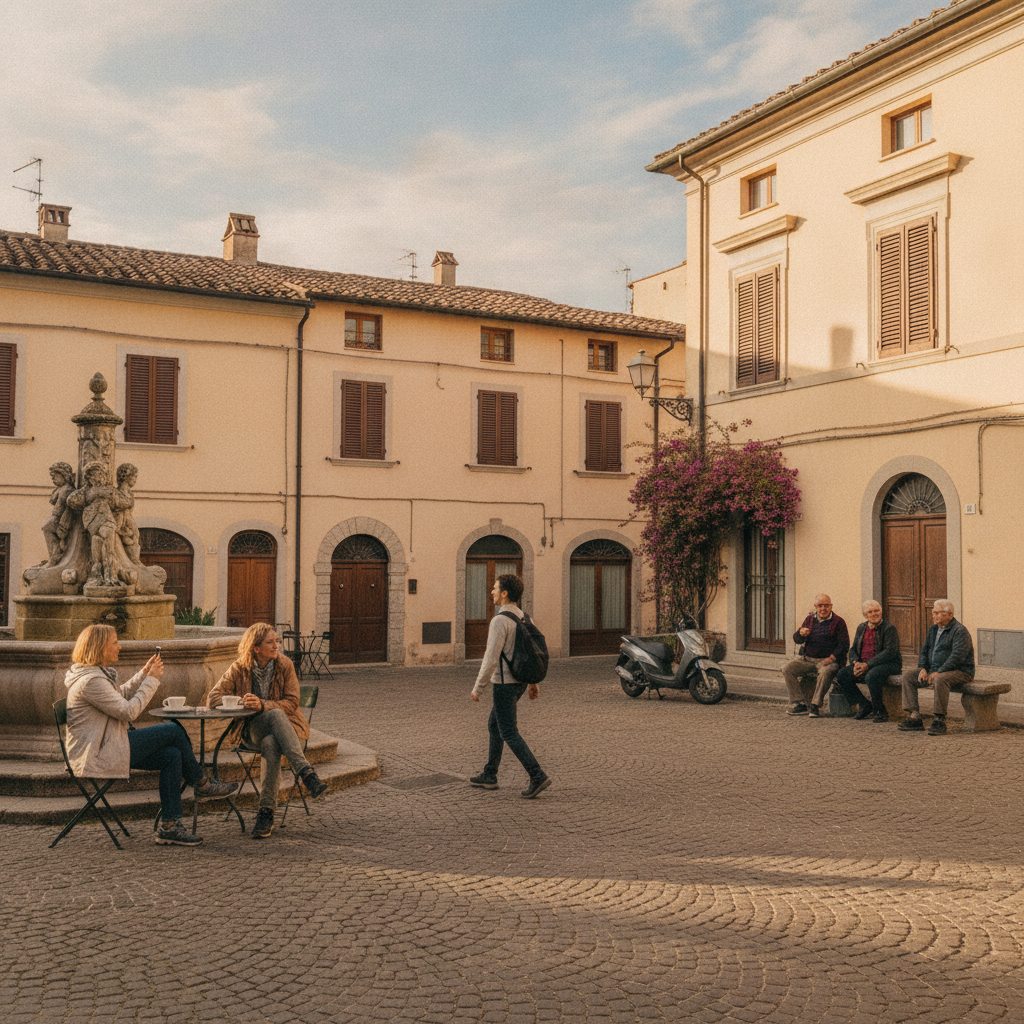
The towns themselves take on a different character in these months, one that's worth understanding before arriving with fixed expectations. *Passeggiata* — the unhurried evening stroll through the town's main corso or piazza that functions as the social heartbeat of Southern Italian culture — becomes more leisurely and genuinely inclusive when it isn't interrupted by tour groups and selfie sticks. A traveler willing to slow to the town's pace, to sit at a bar with a *caffè corretto* (espresso with a small pour of grappa or sambuca) and watch the evening unfold, finds that the architecture and atmosphere communicate something they rarely do in July or August.
Finding Your Footing in the Details
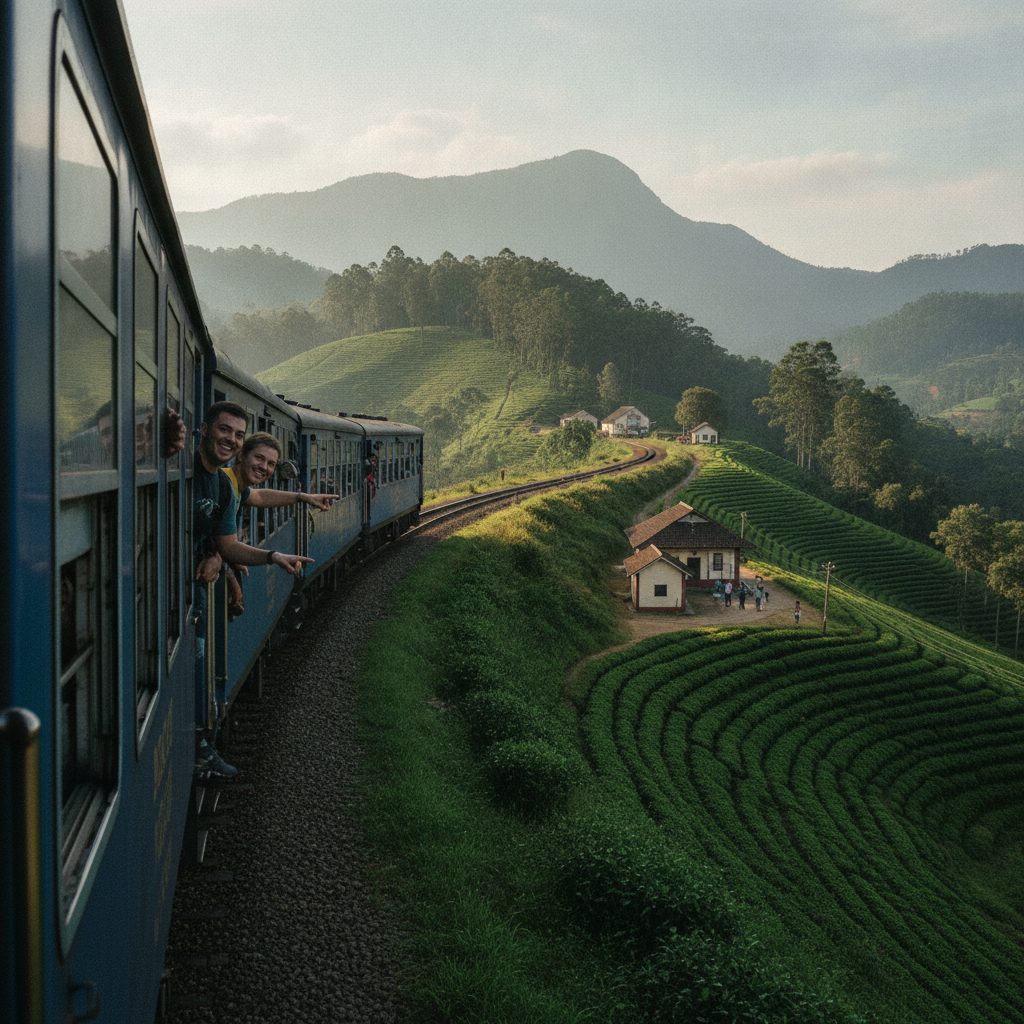
Planning a shoulder-season trip to Southern Italy rewards specificity. Rather than booking a general sweep through multiple regions, travelers who identify one or two anchor points — perhaps a week based in the Salento peninsula in Puglia, with day trips to Lecce and Otranto, followed by a few days in the Sassi cave districts of Matera in Basilicata — tend to have richer experiences than those rushing a greatest-hits itinerary. The train network connecting these areas, while slower and less flashy than northern Italian rail, is functional and genuinely scenic. The Ferrovie del Sud Est, a regional rail line running through Puglia's olive-grove flatlands, is an experience in itself, connecting small towns that would otherwise require a rental car to reach.
Accommodation apps like Airbnb and Booking.com surface good options, but for genuinely distinctive stays — a restored *masseria* (a fortified farmhouse typical of Puglia) or a cave hotel carved into the tufa rock of Matera — direct booking through the property's own website often yields better rates and more flexibility on arrival times, which matters when traveling by train with checked luggage. Shoulder season also means that the kind of last-minute itinerary adjustment that summer travel makes nearly impossible becomes routine: a day trip extended by a night, a detour to a smaller island, a late-afternoon decision to stay for the sagra dinner.
Slowing Down in the Right Way
If you travel to Southern Italy during shoulder season without expecting it to behave like peak summer, something unexpected tends to happen. The slower pace stops feeling like a limitation and starts feeling like the actual point. You find yourself returning to the same bar two mornings in a row because the barista remembered your order and the light through the window was exactly right. You eat lunch at a place with no English menu and no particular online presence because someone pointed you toward it, and the *orecchiette con cime di rapa* — the small ear-shaped pasta with bitter broccoli rabe that's a staple of Pugliese cooking — tastes entirely unlike anything a summer restaurant producing two hundred covers a night could manage. You walk through the Sassi of Matera at dusk when the tour buses have gone, and the city carved into its ravine looks genuinely ancient in the failing light.
This version of travel isn't available in August. It requires a willingness to arrive outside the moment of maximum hype, to trust that a place is worth visiting even when the crowd isn't there to confirm it. Southern Italy in the shoulder months is still unmistakably itself — the stone, the sea, the long tables, the evening air that smells of jasmine and diesel and something baking. It's simply more willing to share itself with those who show up quietly, at the right time.