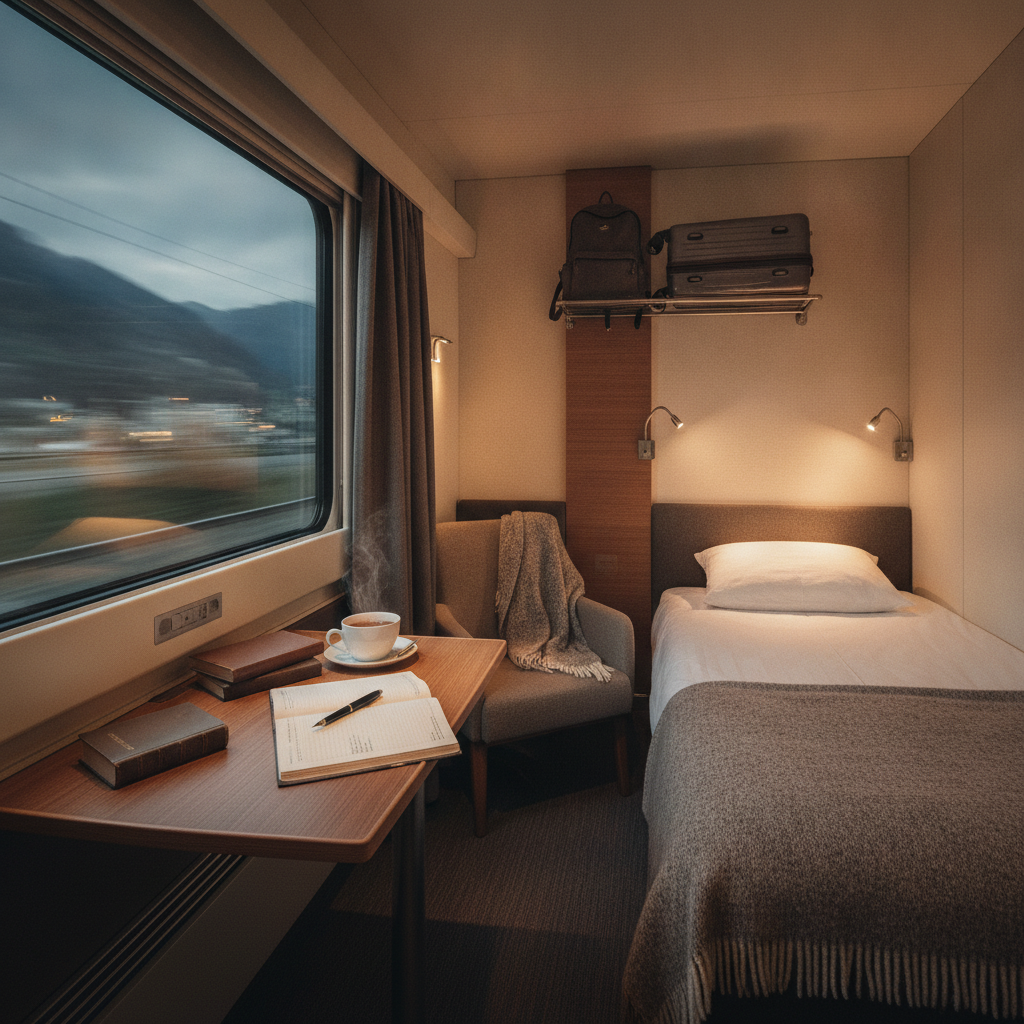
Sleeping your way across Europe on a train sounds romantic, and honestly, it still is. The couchette cabin, the rhythm of the tracks, waking up in a city you've never been to before — it's one of those travel experiences that justifies the whole trip. But a lot of people assume a rail pass is the only way to make it work, especially across multiple countries. The truth is, booking point-to-point tickets on overnight routes is often cheaper, more flexible, and surprisingly straightforward once you know where to look.
Book Directly Through National Rail Operators First
Before heading to any third-party booking site, go straight to the source. Each country's national rail operator — like ÖBB in Austria, SNCF in France, or Trenitalia in Italy — sells tickets for their own overnight routes at prices that no aggregator can beat. ÖBB, for example, operates the Nightjet network, which covers much of Central Europe and is booked directly on their website. You'll often find early-bird fares that are genuinely cheap, sometimes a fraction of what a rail pass plus reservation fees would cost you.
Understand the Difference Between Seat, Couchette, and Sleeper
Overnight trains across Europe typically offer three tiers of comfort, and knowing which one suits your needs saves money and prevents regret. A seat reservation gets you a regular reclining chair — fine for short overnight legs, less ideal for an eight-hour stretch. A couchette is a basic fold-down bunk, usually shared with three to five other passengers, and it's the sweet spot for most budget-conscious travelers. A private sleeper cabin costs more but gives you a proper bed, often with breakfast and linens included. Choose based on how long you're traveling and how much sleep you actually need.
Use Rail Europe or Trainline for Multi-Country Routes
When your journey crosses borders, coordinating between national operators gets complicated fast. That's where platforms like Rail Europe and Trainline earn their place. They aggregate routes across multiple countries into a single booking interface, which saves you the trouble of hunting across four different websites in four different languages. The prices are occasionally slightly higher than booking direct, but the time saved and the clarity of seeing all your options on one screen usually makes it worth it. Always double-check the final price against the national operator before confirming.
Time Your Booking Window Carefully
Overnight train tickets in Europe tend to follow a release-and-discount pattern. Tickets typically go on sale around three to six months in advance, and the cheapest fares disappear quickly on popular routes — think Paris to Berlin or Vienna to Rome. If you're traveling in summer or around major holidays, booking the moment tickets open is genuinely worth the effort. On the flip side, if you're flexible with dates and traveling off-peak, last-minute availability sometimes opens up at discounted prices as operators try to fill remaining berths. The middle ground — booking two to four weeks out for quiet seasons — is usually the worst value.
Factor In What's Actually Included in the Price
One of the easier mistakes to make is comparing ticket prices without accounting for what's bundled in. On many overnight routes, a couchette fare includes bedding and sometimes a light breakfast, which means you're saving on a hotel night and a morning meal. A daytime train ticket might look cheaper, but add a night's accommodation and you'll usually find the overnight option comes out ahead, or at least even. Run the full cost comparison before you decide — transport plus lodging versus a single overnight fare — and the math often shifts in the train's favor.
Download the Right App Before You Board
Having your tickets organized before you step on the train matters more than it might seem, especially when you're boarding at midnight in a foreign city. The DB Navigator app from Deutsche Bahn works remarkably well across European routes even for non-German legs, and Rail Europe's mobile app keeps multi-country bookings tidy in one place. Download your tickets offline in advance, since station Wi-Fi is not always reliable. Keep a screenshot of your reservation details as a backup — conductors on overnight trains have seen every technical glitch imaginable and generally appreciate passengers who come prepared.
Plan Connections With a Buffer, Not a Sprint
Overnight trains are generally reliable, but delays happen, and missing a connection at 6 a.m. in an unfamiliar city is a genuinely unpleasant way to start a travel day. When booking onward journeys from your arrival station, build in at least 45 minutes to an hour of buffer time, longer if you're connecting across different operators or need to collect luggage from a different car. Some of Europe's busiest hub stations — like Zürich Hauptbahnhof or Budapest Keleti — are large enough that simply getting from one platform to another takes longer than you'd expect.
Pack a Small Overnight Kit for the Couchette
This one sounds minor but makes a real difference. A couchette compartment is comfortable, but it's shared space, and the overnight environment is closer to a budget hostel than a hotel room. A small kit with earplugs, an eye mask, a thin layer for warmth, and a packable pillow cover puts you in control of your sleep quality regardless of your cabin-mates. Stow your valuables close to you rather than in overhead racks, and keep your passport and phone in a pouch or inner pocket. Experienced overnight train travelers tend to arrive at their destination well-rested rather than frazzled, and the difference is almost always preparation.
Overnight trains across Europe are one of the most practical, affordable, and genuinely enjoyable ways to cover long distances — and you don't need a rail pass to make them work for you. A bit of planning, the right booking tools, and a few small habits go a long way. Pick a route that interests you, check the ÖBB or Trainline schedule, and get that first booking done. The rest gets easier from there.