Japan's IC card system is one of the most efficient public transit tools in the world, and knowing how to use it properly can save you hours of confusion at ticket machines.
If you're planning a trip across multiple Japanese cities, you've probably come across terms like Suica, ICOCA, or Pasmo and wondered whether they're interchangeable, which one to get, or how far they'll actually take you. The good news is that the system is far more unified than it looks at first glance — and once you understand the basics, getting around Tokyo, Osaka, Kyoto, and beyond becomes genuinely straightforward.
Get Your Card Before You Leave the Airport
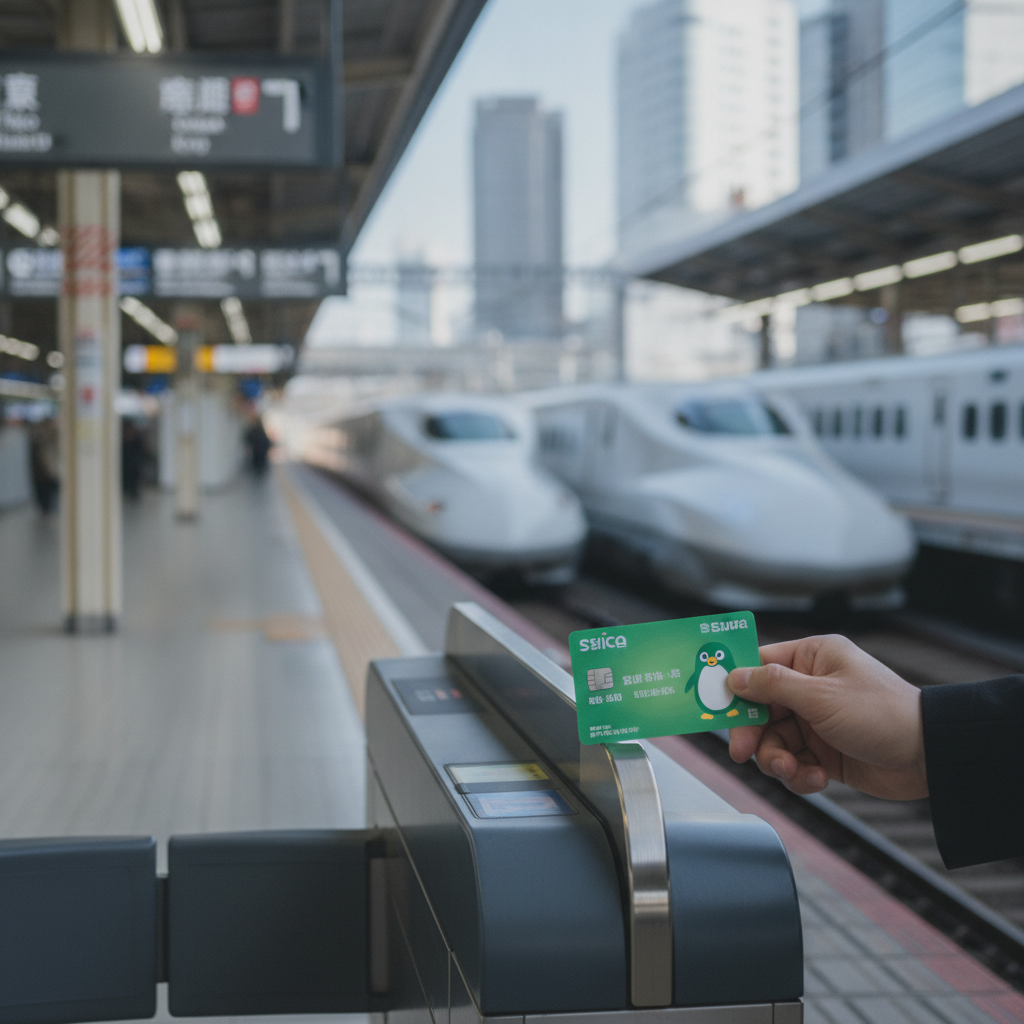
The smartest move is picking up an IC card the moment you land. At Narita and Haneda airports, Suica cards are available from JR East vending machines near the arrivals hall, and many visitors can now load one directly onto an iPhone or Android device through the Suica app. Getting set up immediately means you skip the scramble of figuring out ticket prices for your first train ride into the city. Starting with at least 2,000 yen loaded on the card gives you comfortable buffer for that initial transit leg.
Understand Which Cards Work Where
There are several regional IC cards in Japan — Suica and Pasmo are most common in the Tokyo area, while ICOCA is the standard in the Kansai region covering Osaka, Kyoto, and Nara. The practical reality is that all major IC cards are mutually compatible across most transit networks nationwide. You don't need to swap cards when moving between regions. A Suica bought in Tokyo works seamlessly on Osaka's subway and Kyoto's city buses. Picking one card and sticking with it is the most efficient approach.
Load Money at Convenience Stores, Not Just Stations
One underrated tip is that you can top up your IC card at virtually any 7-Eleven, FamilyMart, or Lawson convenience store across Japan. Station machines work perfectly well, but they can get crowded during rush hours, and the interface isn't always intuitive in English. Convenience store registers handle top-ups quickly and the staff are accustomed to assisting tourists. Keeping your balance above 1,000 yen as a general habit prevents the frustration of being stuck at a turnstile with an empty card.
Know the Limits for Shinkansen Travel
IC cards cover an impressive range of local trains, subways, and buses, but they don't cover Shinkansen bullet train fares on most routes. For journeys between major cities — Tokyo to Osaka, for example — you'll still need a separate Shinkansen ticket or a JR Pass. IC cards do work on some Shinkansen services in limited regional contexts, such as certain routes in Kyushu, but this is the exception rather than the rule. Always verify before assuming your card will handle an intercity bullet train leg.
Use Your Card for More Than Just Transit
IC cards function as a cashless payment method at a wide range of shops, vending machines, and convenience stores across Japan. This makes them genuinely useful beyond the transit system. Many tourists keep a separate spending balance on the card purely for small purchases — a coffee at a station kiosk, a bottle of water from a vending machine, or a quick snack from Lawson. The tap-to-pay function is fast, widely accepted, and removes the need to carry coins for everyday purchases throughout your trip.
Handle Low-Balance Situations at the Gate
If your card balance drops too low mid-journey, most station gates have a fare adjustment machine nearby — typically a small yellow or green terminal positioned just past the turnstile. You can top up the exact amount needed and exit without going back through the gate. This system is well-signposted and straightforward to use. Knowing this option exists removes a lot of anxiety about accidentally running out of credit during a transfer, especially in busy stations like Shinjuku or Shin-Osaka where finding help quickly isn't always easy.
Return Your Card or Keep It for Next Time
At the end of your trip, you have two solid options for your IC card. You can return it at a JR station service counter and receive your remaining balance plus the 500-yen deposit back in cash — though there's typically a small handling fee if any balance remains. Alternatively, keeping the card for a future visit is completely reasonable. Cards remain valid for a long time without use, and having one ready for your next arrival means skipping the setup step entirely. For frequent Japan travelers, holding onto the card is almost always the better call.
Pair Your Card with the Right Transit App
The IC card handles payment, but a good transit app handles planning. Google Maps works reliably for transit directions across Japan and shows real-time route options with fare estimates. For more detailed local information, the Jorudan or HyperDia apps are worth having on hand, particularly for navigating complex transfers in cities like Nagoya or Fukuoka. Using these tools together — card in hand, app on screen — gives you a complete system for managing transit from arrival to departure without needing to queue at information desks.
Getting comfortable with Japan's IC card takes about one day of actual use, and after that it becomes second nature. The system is designed to be forgiving, widely accepted, and surprisingly versatile. Start by picking up a Suica at the airport, load a reasonable balance, and let the infrastructure do the rest — Japan's transit network is genuinely one of the most rewarding parts of traveling there.