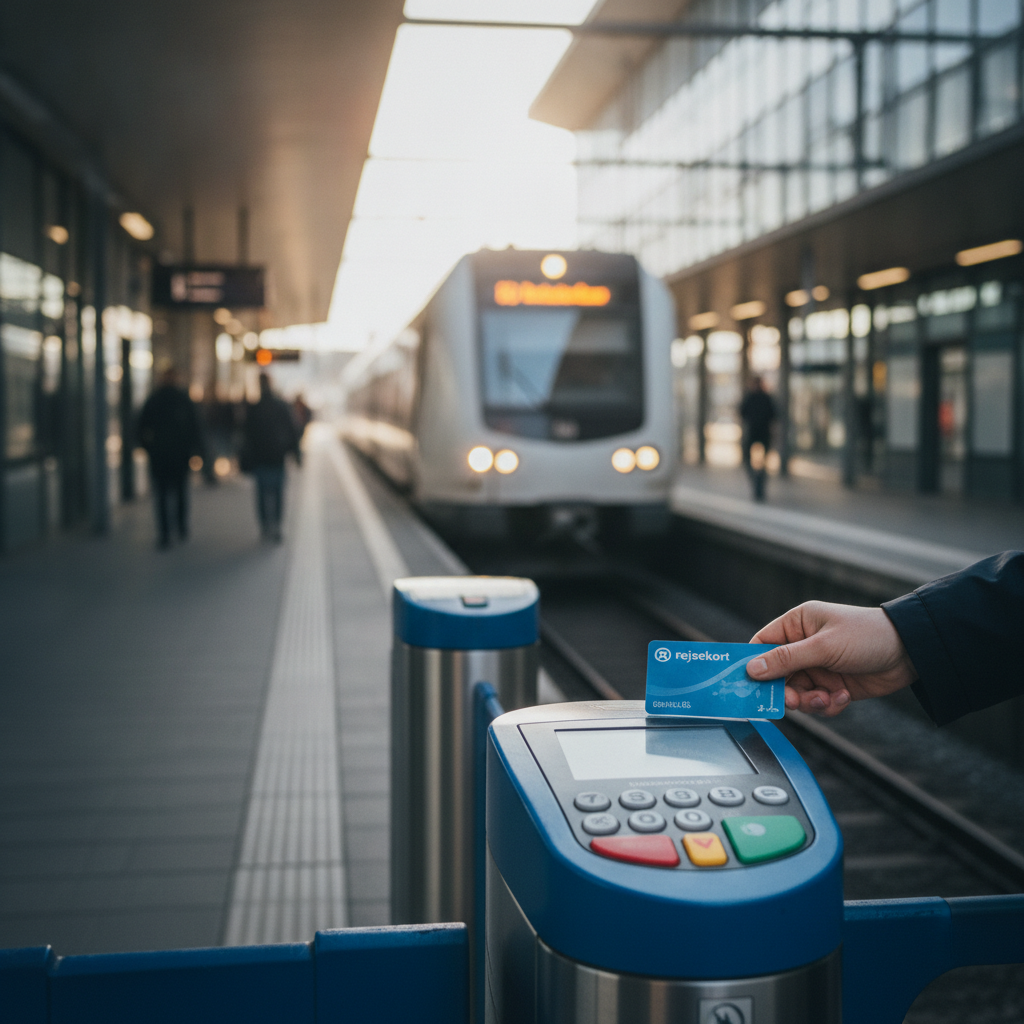
Copenhagen's public transit system is genuinely excellent — clean, punctual, and surprisingly easy to get around on once you understand how it works. The challenge for short-stay visitors isn't the trains or buses themselves; it's figuring out whether the Rejsekort smart card is worth the setup, how to avoid getting stung by check-in errors, and what to do when your card balance runs dry at 11pm near Nørreport. These are solvable problems, and most of them come down to a few simple habits you can lock in on day one.
Understand What the Rejsekort Actually Is
The Rejsekort is Denmark's national contactless travel card, used across buses, Metro, S-tog (suburban rail), and regional trains in Copenhagen and beyond. Think of it like London's Oyster card or Tokyo's Suica — you load credit onto it, tap in when you board, and tap out when you leave. The system calculates your fare based on the zones you've crossed. It's not a pass or unlimited-travel product; you're paying per journey, just at a lower rate than buying individual tickets. For visitors staying more than a day or two, the savings add up quickly.
Pick Up Your Card Before You Leave the Airport
Copenhagen Airport (CPH) has Rejsekort vending machines in the arrivals hall, which means you can sort this out before you even board the Metro into the city. Machines are available in Danish and English, and the process is straightforward. You'll pay a refundable deposit for the card itself, plus whatever initial credit you want to load. Load at least enough to cover your first few days of travel — you can always top up later, but starting with a comfortable buffer means you won't be scrambling for a machine when you're tired and jet-lagged. The Metro ride from the airport into the city center is a good first test run.
Always Check In and Check Out — Every Single Time
This is the most common mistake visitors make with the Rejsekort, and it's worth taking seriously. You must tap your card on the blue reader when you board and again when you exit. If you forget to check out, the system charges you the maximum possible fare for that journey, which is significantly more than what you'd normally pay. On buses, the check-out reader is near the rear doors. On trains and the Metro, it's on the platform before you leave. Getting into the habit within your first couple of journeys will save you real money over a short stay.
Know the Zone System So You're Not Overpaying
Copenhagen's transit zones radiate outward from the city center, and fares are calculated by how many zones you cross. Most of what short-stay visitors want — the Tivoli area, Christianshavn, Nørrebro, the Little Mermaid, Frederiksberg — sits comfortably within the central zones. Day trips to places like Helsingør (the castle town) or Roskilde will take you across several zones, so expect those journeys to cost noticeably more. Checking the zone map before an unfamiliar trip helps you budget accurately and avoids any unpleasant surprises when you tap out.
Keep Your Balance Above the Minimum Threshold
The Rejsekort won't let you check in if your balance drops below a certain amount — enough to cover a standard fare. This threshold exists so you're never caught mid-journey without enough credit, but it also means the card can refuse you entry even when it technically has money on it. Top up regularly rather than waiting until you're nearly empty. Most Metro stations and 7-Eleven convenience stores (which are everywhere in Copenhagen) have top-up options, and you can also add credit through the Rejsekort app if you've registered your card online.
Register Your Card Online for Loss Protection
A standard anonymous Rejsekort can't be replaced or refunded if lost — the balance is just gone. A registered card, on the other hand, can be blocked and the remaining credit transferred to a new card. Registration is free, takes about five minutes on the Rejsekort website, and links your card to an email address. For a short stay this might feel like overkill, but if you've loaded a meaningful amount of credit and you're prone to losing things in transit, it's cheap insurance. The website is available in English, so the process isn't difficult even if you don't read Danish.
Combine the Rejsekort With Copenhagen's Harbour Buses
One of the more enjoyable ways to get around the city is via the harbour bus routes, which run along the waterfront between Nordhavn and Islands Brygge. These water buses are part of the regular public transit network, not a tourist boat service, which means your Rejsekort works on them exactly like it would on a land bus. The views along the route — past the Opera House, through the inner harbour, alongside the old warehouses of Christianshavn — are genuinely worth building into your day. Treating transit as part of the experience rather than just a means to an end makes the card feel like even better value.
Return Your Card Before You Leave for a Full Deposit Refund
When your trip is done, you can return your Rejsekort at a station service desk or vending machine and get your deposit back, along with any remaining credit on the card. This is easy to forget in the rush of catching a flight, so build a few extra minutes into your airport schedule. If you're flying out of CPH, there are return options before you clear security. Leaving with an unreturned card isn't a disaster, but getting your money back is the cleaner option — and it's one less thing to lose track of between now and your next visit.
Copenhagen is a genuinely rewarding city to move around in, and the Rejsekort makes that easier once you've got the basics down. A little preparation before your first journey — picking up the card at the airport, loading a solid starting balance, and getting into the check-in/check-out habit — takes care of most of the friction. The rest you'll figure out as you go.