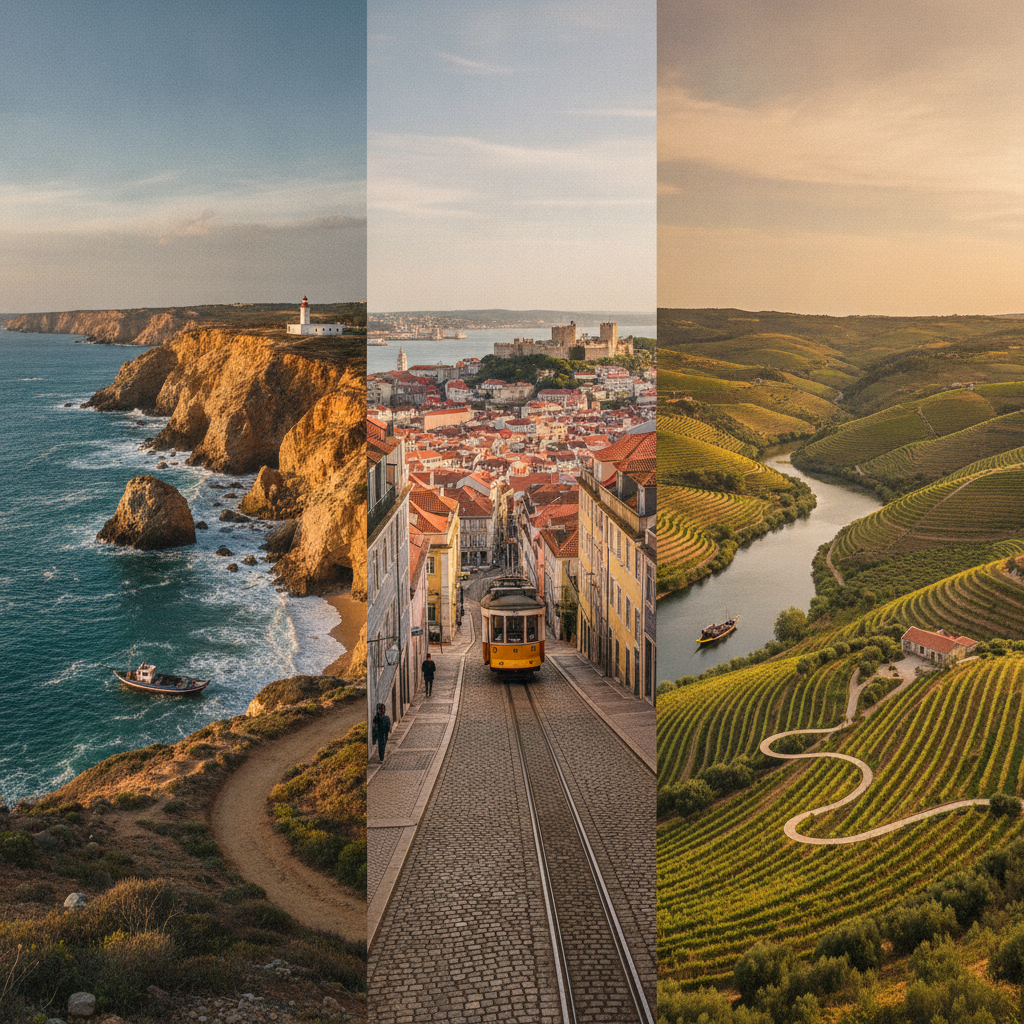
Portugal packs a remarkable variety of landscapes and experiences into a relatively compact country, which makes it easy to assume you can see everything without much planning. That assumption tends to unravel quickly once you're staring at a map and realizing that Porto, the Douro Valley, Lisbon, the Alentejo plains, and the Algarve coast all sit in very different directions from one another. The key to covering all three environments — coast, city, and countryside — without doubling back on yourself is treating the trip as a south-to-north or north-to-south arc rather than a hub-and-spoke adventure out of a single city.
Start in Porto and Work Your Way South
Flying into Porto and out of Faro is one of the smartest logistical choices you can make for a two-week Portugal itinerary. It eliminates the urge to return to where you started and lets the route flow in one direction. Porto deserves at least three nights on its own — long enough to absorb the Ribeira waterfront, cross the Dom Luís I Bridge on foot, and take a day trip to the Douro Valley wine terraces without feeling rushed. Starting here also means you arrive in a city with strong transport connections and an international airport that's easy to reach.
Give the Douro Valley a Full Day, Not a Half One
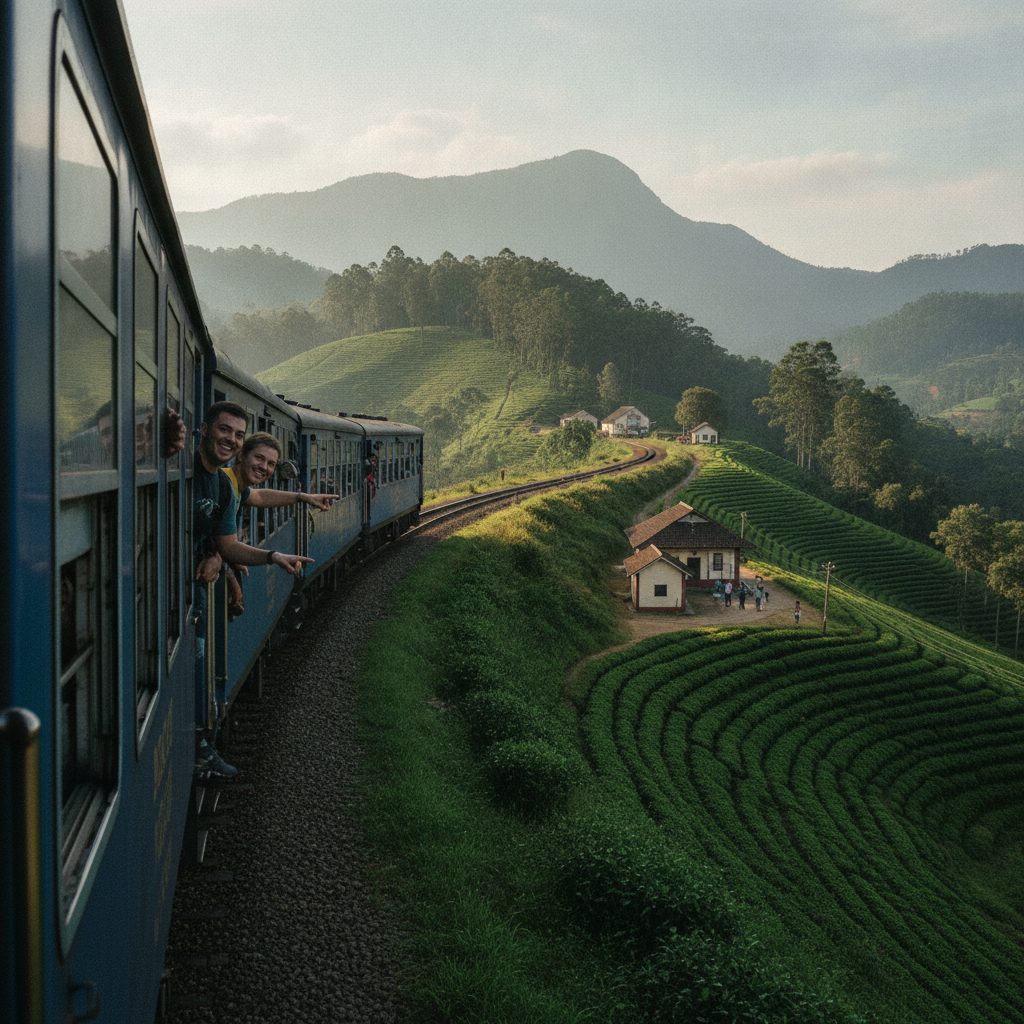
The Douro Valley is one of the most visually dramatic regions in all of Europe, and it's frequently underestimated by travelers who treat it as a quick side trip from Porto. A full day by train from São Bento Station — heading east along the river toward Pinhão — gives you enough time to actually sit still in the landscape, visit a quinta or two, and have a proper lunch with local wine before heading back. Booking the train in advance through CP (Comboios de Portugal) is straightforward and far more scenic than the road alternative.
Use Coimbra as a Pacing Stop, Not Just a Transit Point
Travelers heading from Porto toward Lisbon often skip Coimbra entirely, which means missing one of Portugal's most atmospheric cities. The old university district perched above the Rio Mondego carries a different energy than either Porto or Lisbon — quieter, more academic, and genuinely old in a way that doesn't feel staged. One or two nights here works as both a pacing break and a cultural counterweight to the larger cities on either side. The Joanina Library alone is worth the train ticket, though you'll need a timed entry ticket booked ahead.
Budget Five Nights for Lisbon Without Apology
Lisbon rewards slow attention more than most European capitals, and five nights is not excessive for a city that covers so much ground across its hills and neighborhoods. Alfama, Belém, and the LX Factory area all operate at different rhythms and take real time to absorb. The city also works as a base for day trips — Sintra's palaces and Setúbal's coastline are both under an hour by train or bus. Staying somewhere central like Príncipe Real or Mouraria rather than near the main tourist strip makes daily movement much more comfortable.
Let the Alentejo Slow Everything Down
After Lisbon, the shift into the Alentejo feels almost physical. The wide plains, cork oak forests, and whitewashed hilltop villages exist at a pace that actively resists rushing. Évora makes the most logical base — it has a Roman temple, a cathedral, and enough good restaurants to anchor two or three nights comfortably. From there, villages like Monsaraz and Marvão are worth the drive if you have a rental car, which at this stage of the trip becomes genuinely useful. The Alentejo is also where Portugal's wine identity shifts from the Douro's port-country character toward earthier reds and fresh whites.
Time the Algarve for the Final Stretch
Ending the trip along the Algarve coast makes geographic sense since Faro is your departure airport, and it also gives the itinerary a natural reward structure — coast comes last, when you're ready to slow down completely. The western Algarve around Lagos and the Ponta da Piedade sea stacks is more dramatic and less developed than the resort-heavy stretch around Albufeira, which tends to appeal more to travelers who want striking scenery over busy beach infrastructure. Three nights here is enough to kayak the grottos, eat well on grilled fish, and decompress before flying home.
Rent the Car After Lisbon, Not Before
Driving in Porto or Lisbon is genuinely stressful and unnecessary, since both cities have strong public transit and walkable centers. The car becomes valuable once you leave Lisbon for the Alentejo, where villages are spread out and bus schedules are infrequent. Picking up a rental at a Lisbon drop-off location and returning it at Faro airport keeps the logistics clean and means you're never paying for a car you don't need. Most major rental platforms let you set different pickup and drop-off points, so one-way arrangements aren't complicated to arrange.
Keep Two or Three Days Genuinely Unscheduled
A two-week itinerary that accounts for every day tends to collapse the moment a train is delayed, a village market turns out to be more interesting than expected, or you simply don't want to leave somewhere as quickly as the plan assumed. Building two or three flexible days into the structure — not assigned to anything specific — gives the whole trip breathing room. Portugal moves at a pace that rewards spontaneity, and some of the best experiences come from staying an extra night somewhere or catching a local festival that wasn't on the original plan.
A Portugal arc that runs from Porto through Coimbra and Lisbon, into the Alentejo, and finally down to the Algarve covers coast, city, and countryside in a sequence that makes geographic and emotional sense. The trip flows in one direction, the transport connections are reliable, and each region offers enough contrast to keep the experience feeling varied rather than repetitive. Plan the anchors, leave the edges loose, and the two weeks will feel both full and unhurried by the time you land back home.