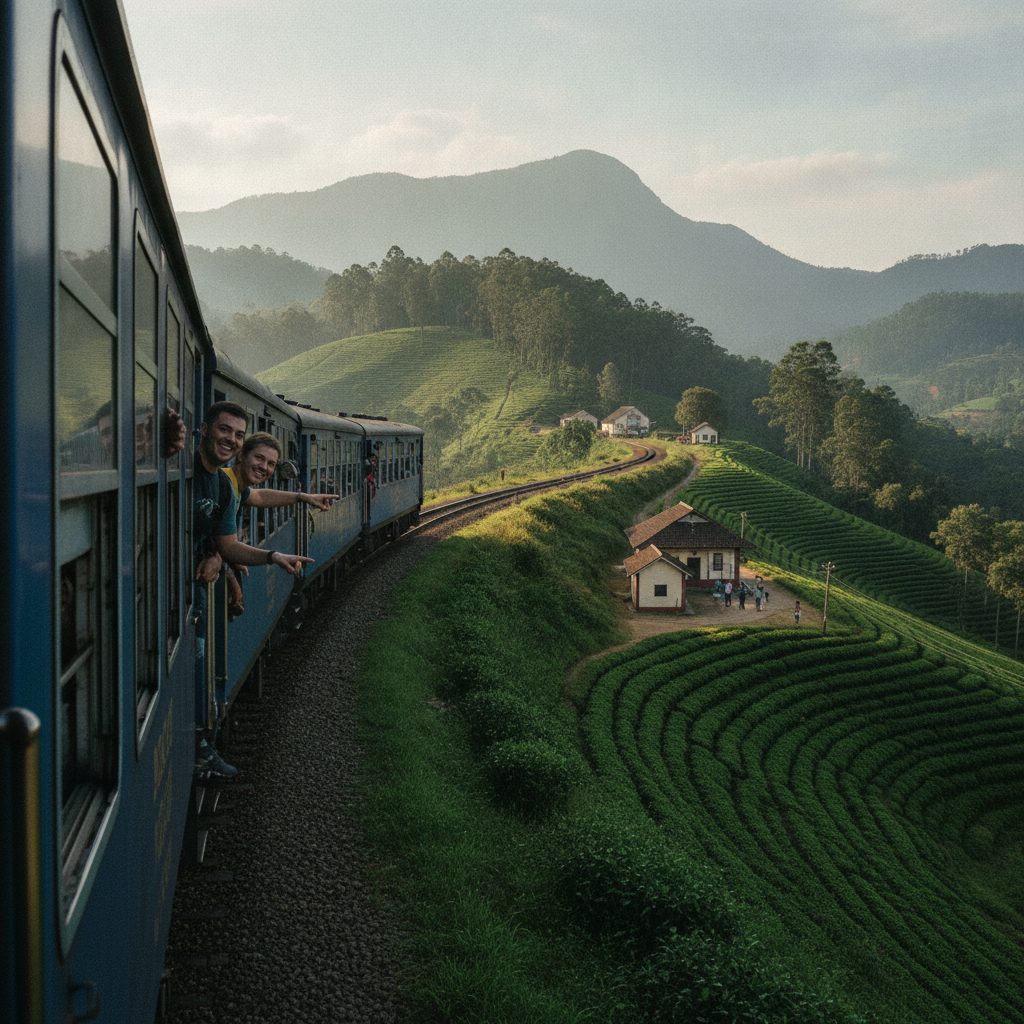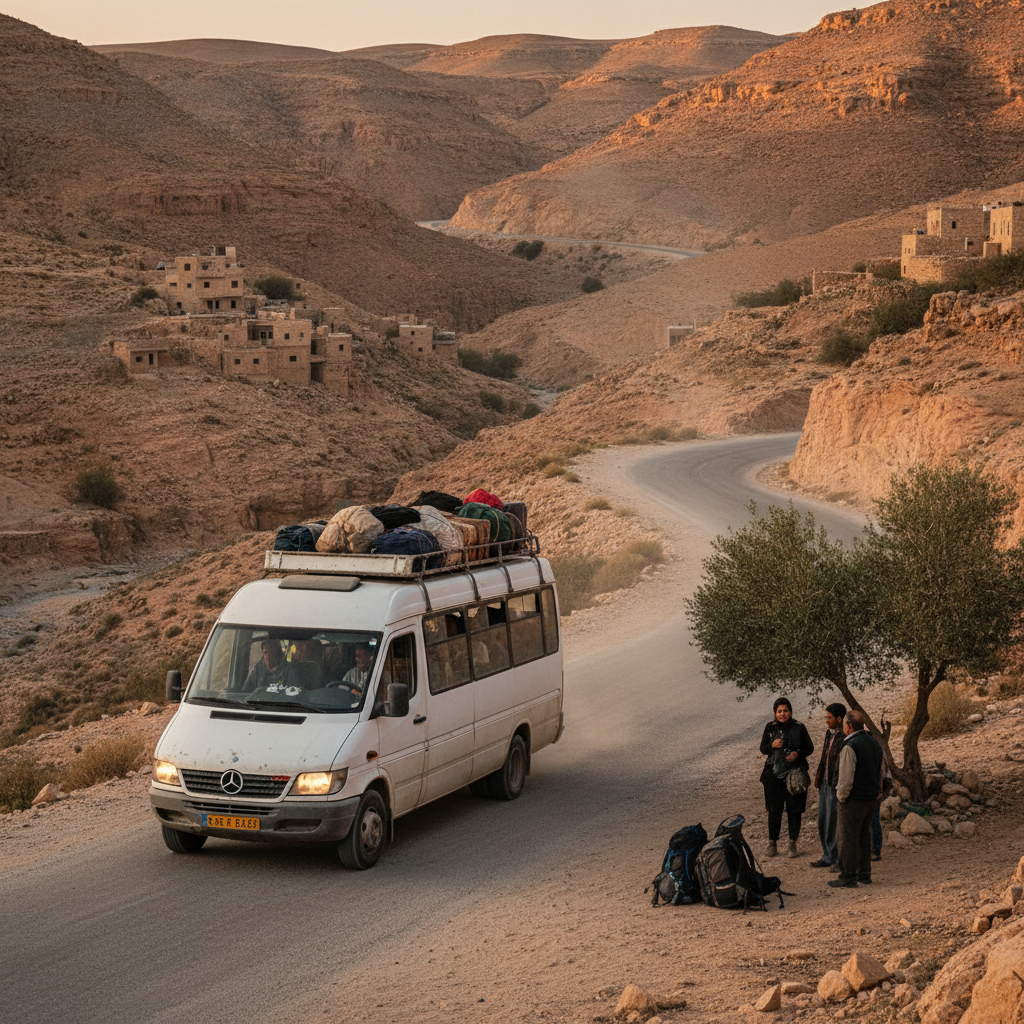
Renting a car feels like the obvious move for Jordan's King's Highway — a route that winds through ancient ruins, desert canyons, and Crusader castles between Amman and Aqaba. But not every traveler has an international license, a credit card that satisfies local rental requirements, or the confidence to handle unfamiliar roads in a country where driving habits are... expressive. The good news is that the minibus network, while imperfect, is genuinely workable if you approach it with a loose plan and some patience.
The King's Highway isn't a single bus line you hop on and ride south. It's a patchwork of local minibuses connecting towns like Madaba, Karak, Dana, and Wadi Musa, each leg requiring its own approach. That's what makes it feel daunting at first — but once you understand the logic, it becomes one of the more rewarding ways to experience rural Jordan at ground level.
Start in Madaba to Get Your Bearings
Madaba is the natural first stop after Amman, and it's easy to reach by minibus from the Wihdat bus station in south Amman. The ride takes about 45 minutes and costs almost nothing, making it a low-stakes introduction to Jordanian public transit before you tackle longer legs. Spend a night here before pushing south. The town is small enough to walk, and getting comfortable with how local transport hubs work — usually an informal area near the central market — will save you stress on harder stretches ahead.
Understand How Minibus Hubs Work in Practice
Jordanian minibuses don't run on published schedules. They depart when full, which in smaller towns might mean waiting 20 minutes or two hours depending on the time of day. The key is to arrive at the local service point early in the morning, ideally before 9 a.m., when most vehicles are actively filling. Ask locals or your guesthouse host where the minibuses gather — it's rarely the official-looking station and usually a dusty junction near the market. Confirm your destination with the driver before boarding, since routes can vary and drivers won't always proactively correct a wrong assumption.
Use Karak as Your Southern Anchor Point
The Karak Castle town is the most reliably served stop along the southern King's Highway, and it functions as the regional hub for onward connections. You can reach Karak from Madaba with a change in Dhiban, though that connection is thin on some days. An alternative is to backtrack briefly to Amman and catch a more direct service south — less romantic but far more predictable. Once you're in Karak, connections toward Dana and Tafilah are available, though frequency drops off significantly as you push further south. Give yourself a night here regardless.
Factor in the Dana Gap Honestly
Dana is one of the most beautiful stops on the entire route — a crumbling stone village perched above the Dana Biosphere Reserve — and it's also the hardest to reach without private transport. Minibuses do pass through nearby Qadisiyya, from which Dana village is a short walk downhill. The challenge is that service to Qadisiyya from Tafilah is irregular, and you may wait considerably longer than expected. Booking a night at the Rummana Campsite or Dana Guest House before you arrive gives you flexibility, because if you miss the last minibus, you'll need a taxi and it's better to have a confirmed bed already waiting.
Budget for Taxis to Fill the Gaps
Being committed to public transport on the King's Highway is admirable, but treating taxis as the enemy will slow your trip significantly and occasionally strand you. Think of taxis as a supplement rather than a fallback failure. On short connections — Tafilah to Dana, or Shobak to Wadi Musa — a shared or private taxi costs a modest amount and can save hours of waiting. Negotiate the price before you get in, and ask your guesthouse to help you arrange a fair rate in advance. The taxi drivers in these towns know the terrain intimately and are often worth talking to about road conditions.
Download Maps.me Before You Leave Amman
Cell data can be patchy along rural sections of the King's Highway, and even when it's available, Google Maps sometimes lacks the granular local detail you need for small-town navigation. Maps.me allows you to download offline regional maps that include dirt tracks, village names, and walking paths that don't appear in larger apps. Pair it with a local SIM from Zain or Orange, both available at Queen Alia International Airport, and you'll have enough navigational backup to handle most situations without relying entirely on strangers for directions.
Carry Small Change and Set Realistic Daily Distances
Minibus fares along the King's Highway are very cheap by any standard, but drivers rarely carry change for larger bills, and fumbling with payment slows down a vehicle that's already impatient to depart. Keep a supply of small Jordanian dinar notes and coins. Beyond payment logistics, the more important discipline is managing your daily expectations. Covering three major stops in one day sounds feasible on a map but rarely works with minibus timing. Two meaningful stops per day is a more honest target, and building one slow day into your plan — ideally in Karak or Dana — takes the pressure off the whole itinerary.
Talk to Guesthouse Owners the Night Before Each Leg
The most consistently useful piece of advice for any overland route in the Middle East applies fully here: talk to whoever is running your accommodation the evening before you plan to travel onward. Guesthouse owners along the King's Highway — particularly at places like Black Iris Hotel in Karak — know the current minibus situation better than any app or guidebook. Timings shift seasonally, certain connections dry up in winter, and local workarounds exist that only surface in casual conversation. Ten minutes of planning the night before will consistently outperform an hour of research done before your trip.
The King's Highway by minibus rewards travelers who treat the journey itself as the point rather than an inconvenience between sights. Public transport here doesn't move fast, and it doesn't pretend to. What it offers instead is a slower, more textured version of a route that most visitors race through by rental car — impromptu conversations at roadside tea stops, unexpected views from bus windows, and the particular satisfaction of having figured something out without a safety net. That's worth a few hours of waiting.