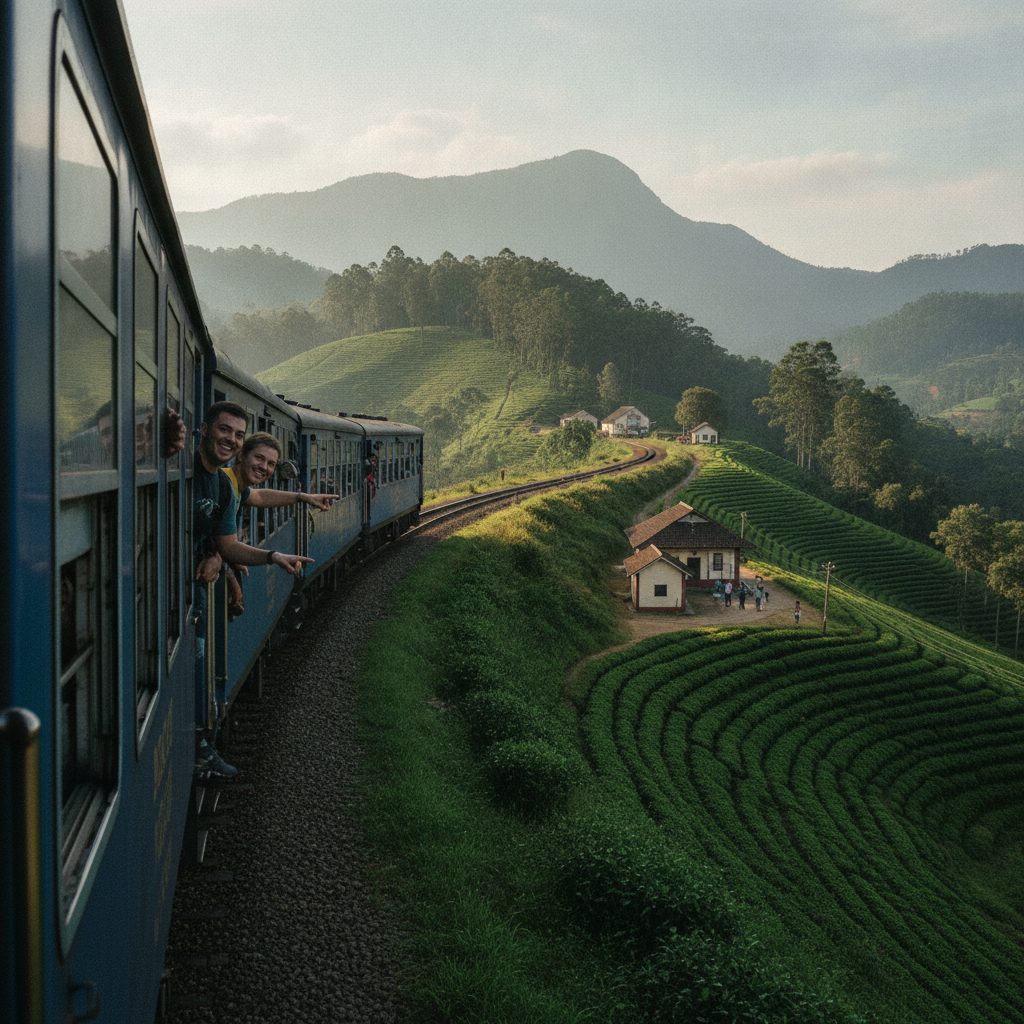
Mountain hut bookings in the Dolomites open months before the hiking season begins, and the most sought-after rifugi fill within hours of their reservation windows going live. If you've ever tried to piece together a multi-day route through Alta Via 1 or Alta Via 2 only to find hut after hut fully booked, you already understand the stakes. Planning ahead isn't just helpful here — it's the only strategy that actually works.
Understanding How the Rifugio Booking System Works
Most Dolomite huts operate on a seasonal schedule, typically running from late June through late September, with the prime weeks in July and August disappearing fastest. Each rifugio manages its own reservations independently, which means there's no central booking platform covering all huts simultaneously. Some use email requests, others have adopted online reservation systems, and a few still rely on phone calls. Knowing this fragmented structure is the first step toward working it to your advantage.
When Booking Windows Typically Open
Many huts begin accepting reservations as early as January or February for the upcoming summer season. The most popular overnight stops on established long-distance routes — such as Rifugio Lagazuoi on Alta Via 1 or Rifugio Puez in the Puez-Odle Nature Park — tend to open their books and close them within days. Setting a reminder for January 1st as a soft trigger to begin your research puts you well ahead of most travelers who only start thinking about the Dolomites in spring.
Researching the Right Huts for Your Route
Before you can book anything, you need a clear picture of which huts align with your planned route and daily distances. The CAI (Club Alpino Italiano) publishes detailed route maps for the major Alta Via trails, and the South Tyrol tourism website maintains an updated directory of huts with contact information and seasonal availability notes. Cross-referencing these two sources gives you a working list of overnight targets in the order you'll need them.
Using Apps to Map Your Itinerary
Komoot is one of the most reliable tools for planning multi-day Dolomite hikes. It allows you to build a complete route, see daily elevation profiles, and estimate realistic walking times between huts. Once you've mapped your stages on Komoot, you'll have the specific hut names and their approximate locations, which makes the actual booking process far more efficient. Fatmap is another strong option for terrain visualization, particularly useful when you're comparing alternate routing options between hut clusters.
Timing Your Booking Outreach Strategically
Once you have your hut list, contact each rifugio directly in the order of scarcity — meaning the most popular huts first, not the first night of your trip first. Rifugio Scotoni, for instance, sits in a particularly scenic position above Lago di Lagazuoi and books out earlier than less-trafficked alternatives nearby. Reaching out to two or three huts simultaneously via email on the same morning maximizes your chances, since waiting for one response before contacting the next can cost you critical availability.
What to Include in Your Booking Request
When emailing a rifugio, keep your message concise and specific. Include your intended arrival date, number of guests, whether you need half-board (dinner and breakfast are typically bundled), and any dietary requirements. Writing in Italian, even imperfectly, is appreciated and often results in faster replies — a few translated phrases go a long way with smaller family-run huts. Many rifugi will hold a reservation for 24 to 48 hours while awaiting a deposit, so be ready to pay promptly once confirmation arrives.
Using Booking Platforms Where They Apply
While most huts require direct contact, some larger or more commercially operated rifugi have adopted third-party systems. A portion of Dolomite huts now list availability through Huts.to, a platform specifically built for mountain accommodation across the Alps. It's worth checking Huts.to first for any hut on your list, since booking through a live availability calendar is faster and more reliable than waiting on email replies during peak inquiry season. Booking.com also carries a small selection of the more hotel-style rifugi, particularly those in lower valley positions.
Building Flexibility Into Your Multi-Day Plan
Even with careful planning, you may find one or two nights unavailable at your preferred huts. Building a flexible buffer — either an extra rest day or an alternate hut within reasonable distance — prevents a single unavailable booking from collapsing your entire itinerary. Identifying a second-choice hut for each overnight stage before you begin outreach means you already have a fallback ready rather than scrambling mid-planning. The Dolomites are dense with quality rifugi, and a secondary option is rarely a significant compromise.
Joining CAI for Priority Access
Members of the Club Alpino Italiano and affiliated alpine clubs such as the Austrian Alpenverein or the German DAV receive discounted rates at most huts and, in some cases, priority access to a reserved block of beds. If you're planning to hike the Dolomites in multiple seasons, membership in one of these clubs pays for itself quickly and gives you a modest but real edge during the busiest booking periods.
Securing mountain hut stays in the Dolomites comes down to starting earlier than feels necessary, understanding each hut's individual booking process, and using the right tools — Komoot for route planning, Huts.to for real-time availability, and direct email outreach for huts that manage their own reservations. The rifugi that seem impossibly booked to late planners are consistently available to those who treat January as the start of their summer hiking season. With a clear route, a ranked list of overnight targets, and a few focused hours of outreach early in the year, the trip you've been picturing is entirely within reach.