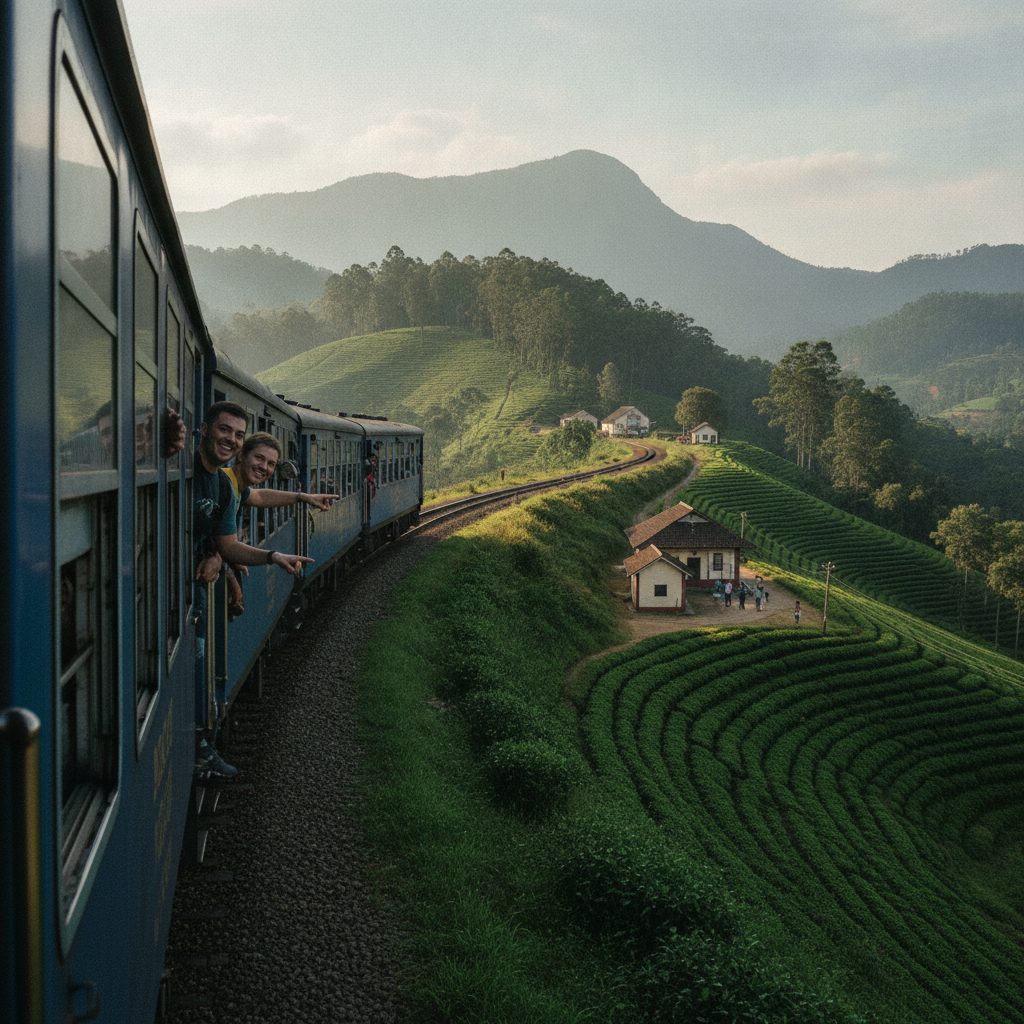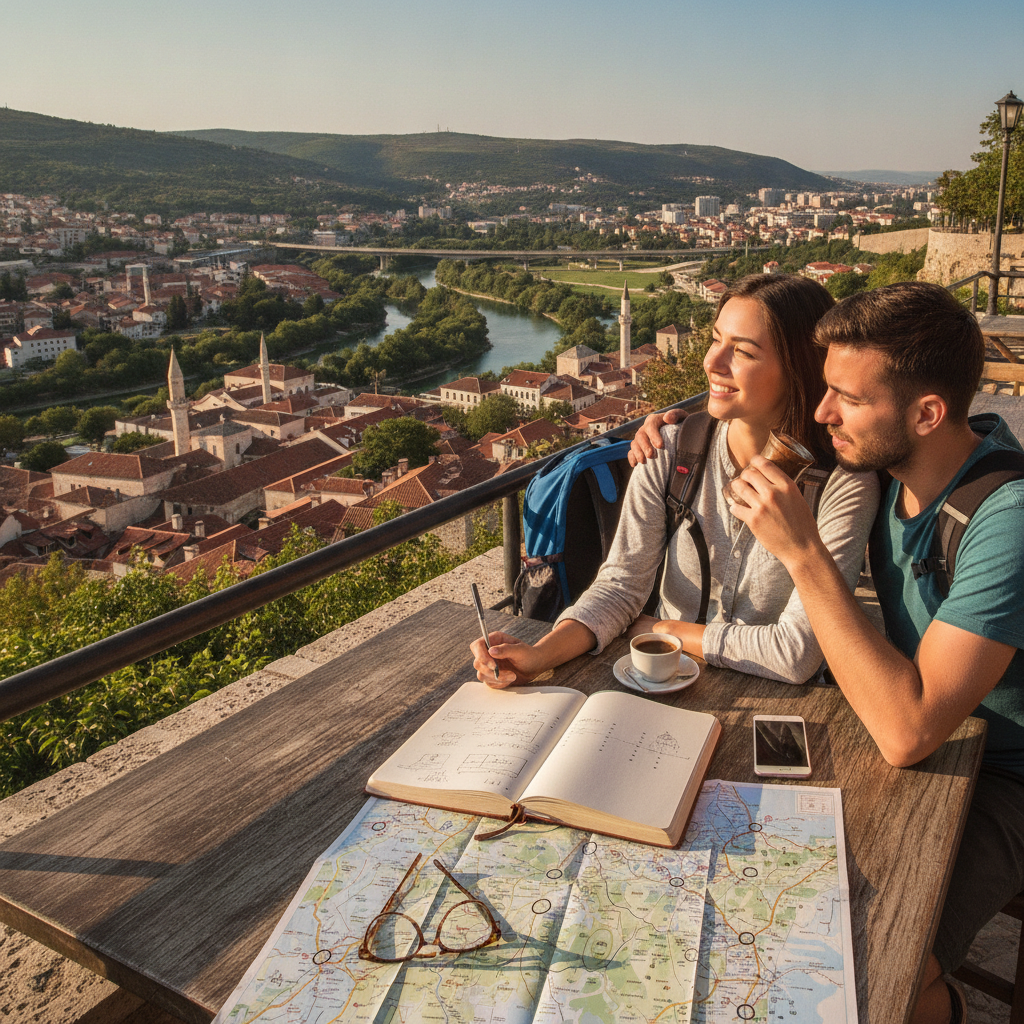
The Balkans reward travelers who leave room to breathe. Across a stretch of southeastern Europe that spans Slovenia in the northwest to Albania and North Macedonia in the south, the region offers an extraordinary concentration of history, coastline, mountain towns, and cultural contrasts — all within relatively short distances. The mistake most first-time visitors make isn't choosing the wrong destinations. It's cramming too many of them into too few days, and arriving home more exhausted than when they left.
Understanding the Region Before You Plot a Route
The Balkans aren't a single cultural or geographic unit, and treating them as one leads to poorly constructed routes. Countries like Croatia, Bosnia and Herzegovina, Montenegro, and Serbia share borders but differ significantly in terrain, infrastructure, and pace. Coastal routes along the Adriatic move differently from inland journeys through places like Sarajevo or Skopje. Before marking cities on a map, it helps to understand that travel times between destinations are often longer than they appear — mountain roads, limited rail connections, and border crossings all add hours that online planners tend to underestimate.
How Anchor Cities Create Structure Without Rigidity
A useful strategy is organizing the itinerary around two or three anchor cities — places with enough depth to justify three to four nights — and allowing smaller stops to fall naturally in between. Dubrovnik, Split, and Sarajevo form a natural western arc. Belgrade works as a central hub with strong bus and occasional rail connections. Kotor in Montenegro offers a compact base for exploring the Bay of Kotor without rushing. Anchor cities provide a fixed rhythm: a home base from which day trips or short onward moves become optional rather than obligatory, which removes much of the pressure that turns a vacation into a logistics exercise.
The Case for Leaving Buffer Days Unplanned
Buffer days — days with no bookings, no buses, and no agenda — are one of the most effective tools in long-distance itinerary building, and also among the most psychologically difficult to accept when planning from home. In the Balkans specifically, they tend to fill themselves. A conversation at a guesthouse in Mostar might lead to a day exploring the surrounding villages. A delayed bus in Budva becomes an afternoon at a beach that wasn't on any list. The travelers who report the most satisfying Balkan trips consistently describe moments of spontaneity that only existed because they hadn't overfilled the schedule around them.
Practical Routing Logic for Common Starting Points
Most Balkan itineraries begin with a flight into one of four major entry points: Dubrovnik, Split, Belgrade, or Ljubljana. From Dubrovnik, a logical southward loop moves through Kotor and Budva before looping back north or continuing into Albania toward Shkodër or Tirana. From Belgrade, travelers often move west toward Sarajevo and then down toward the coast. Ljubljana, while technically in Slovenia, sits at the northern edge of the region and connects naturally to Zagreb, Croatia's capital, which deserves more than a transit stop. Apps like Rome2rio and FlixBus help identify realistic travel windows, though local bus companies often run routes that don't appear on aggregator platforms.
Matching Pace to Geography and Travel Style
Coastal areas like Dalmatia operate on a slower, social schedule — beach towns in summer reward lingering, not rushing. Inland cities like Sarajevo and Skopje carry historical and cultural weight that genuinely requires time to absorb. The Balkans aren't well suited to the style of trip where someone spends one night per city ticking boxes. A two-week itinerary covering eight or more cities typically produces surface-level impressions of all of them and a genuine sense of none. Experienced regional travelers tend to recommend choosing depth over breadth: fewer cities, longer stays, and willingness to miss places that simply don't fit the time available.
Building the Itinerary When You Sit Down to Plan
When you're ready to put the actual plan together, start with your entry and exit flights, then place your two or three anchor cities and book accommodation for those nights only. Leave the stops between anchors loosely defined — know the general area you'll be in without locking in exact beds until you're closer to the dates. Use the Booking.com app for same-day or next-day reservations in smaller towns, which offers real flexibility without sacrificing comfort. Budget an honest travel day between each major move, and resist the instinct to "use" that day productively. Your pace will regulate itself once you're on the ground, and you'll find that the Balkans have a way of slowing even the most itinerary-driven traveler down.
The Balkans continue to grow as a travel destination, and infrastructure — particularly in Albania and North Macedonia — is improving at a meaningful rate. More accommodation options, better road connections, and expanding low-cost flight routes are making the region more accessible without yet making it crowded. The window for experiencing it with genuine flexibility and without peak-season pressure is still wide open, and the traveler who arrives with a loose plan and an open schedule is likely to leave with the most vivid stories.