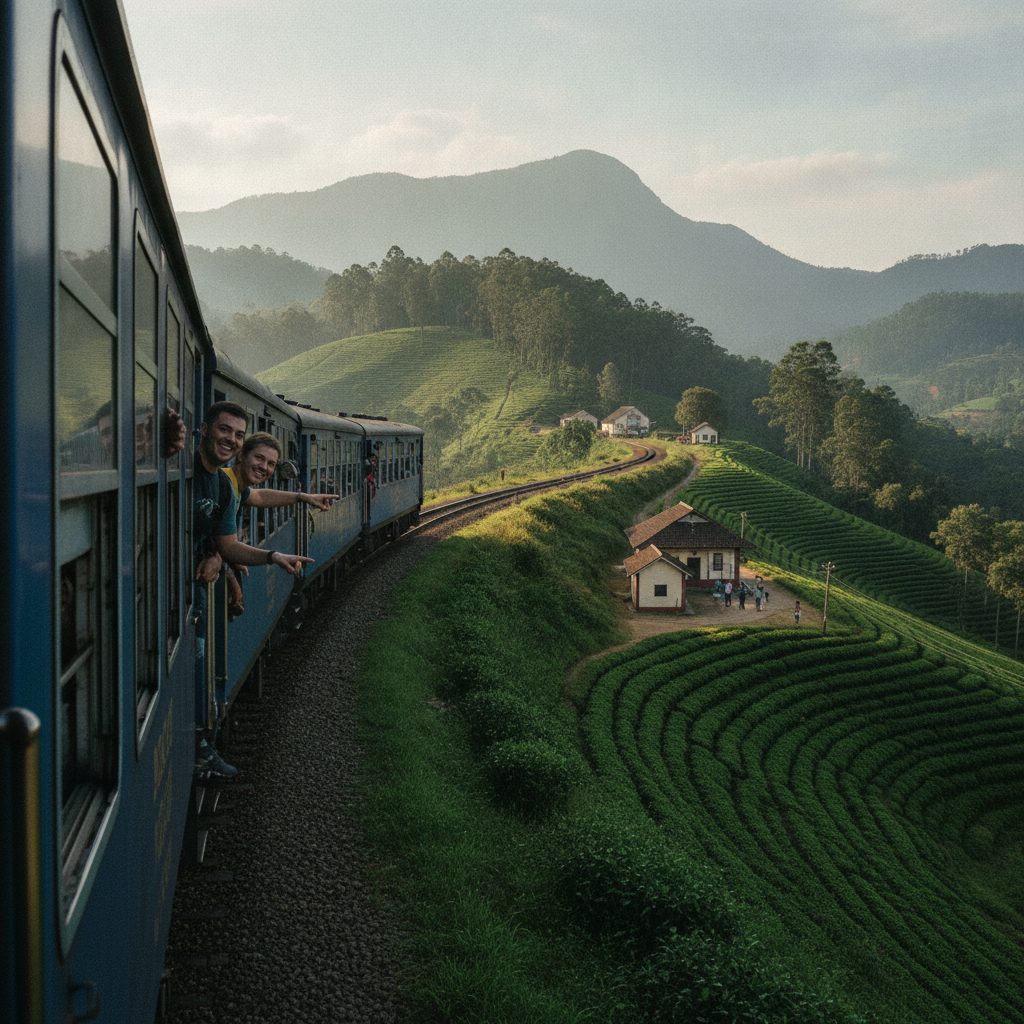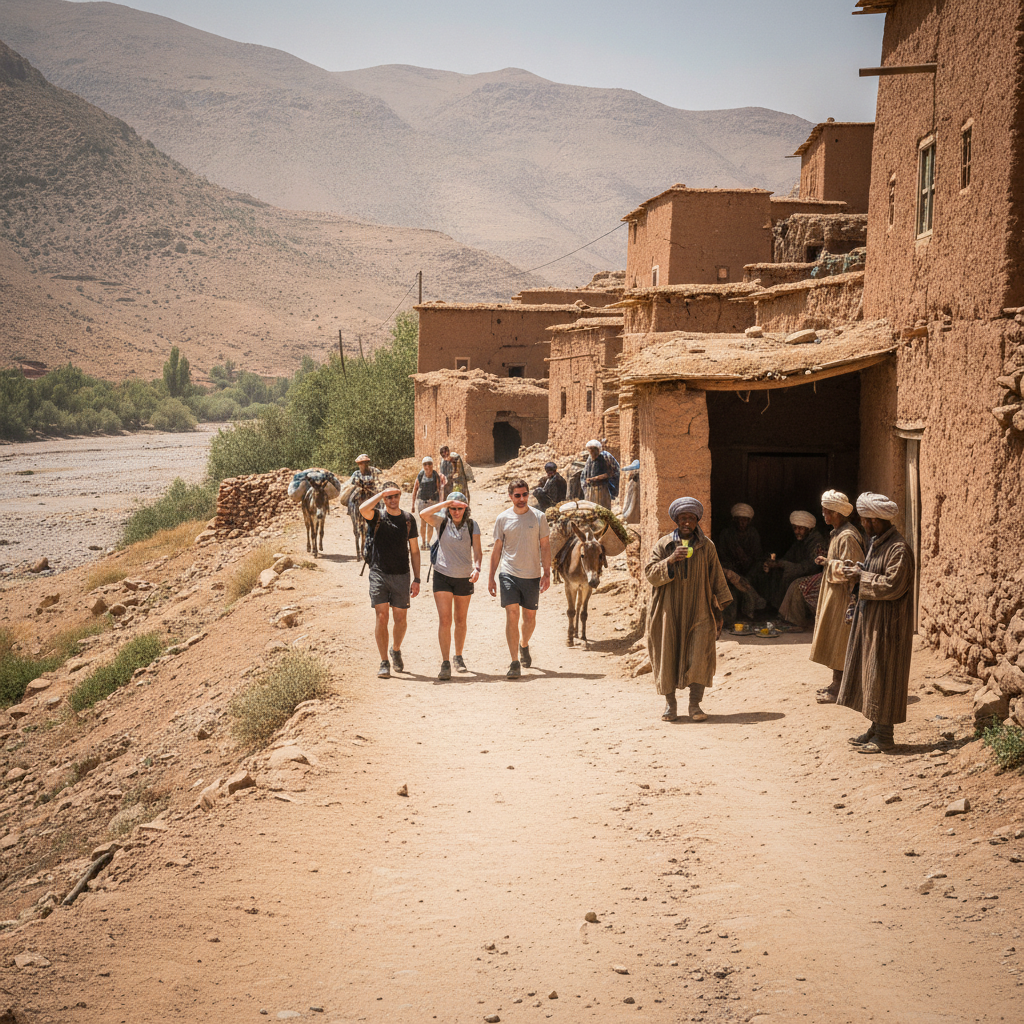
Timing is the quiet architecture of any meaningful journey, and nowhere does it matter more than in the Atlas Mountains of Morocco. Travelers who spend months researching routes through Marrakech's medina or memorizing phrases in Darija often give surprisingly little thought to when, precisely, they plan to arrive in the high villages — and that oversight shapes everything from what they see to how they're received. The Atlas range isn't simply a dramatic backdrop to a North African itinerary. It's a living, working landscape where the rhythm of daily life, agricultural cycles, and religious observance create layers of experience that shift dramatically depending on the week, the month, and even the hour of arrival.
The Season Everyone Assumes Is Best
Spring and autumn carry an almost mythological reputation among travelers to Morocco, and for good reason — the temperatures are forgiving, the light is extraordinary, and the roads into the Toubkal region are reliably passable. But first-time visitors often arrive in these windows with expectations shaped by tourism photography rather than village reality. April and October are also among the busiest periods for guided trekking groups departing from Imlil, the main trailhead settlement below Jbel Toubkal, and the character of the villages changes noticeably under that pressure. Market days in the surrounding valleys shift to accommodate outside demand, guesthouses fill weeks in advance, and the quieter, more spontaneous encounters that define a genuinely memorable visit become harder to find. The season is objectively beautiful, but the experience it delivers isn't necessarily the one most visitors imagined.
Winter receives far less attention in most travel guides, and the assumption is usually that cold temperatures and occasional snow make the Atlas villages inhospitable or inaccessible. That assumption is mostly wrong. The lower villages — particularly those in the Ourika Valley, roughly an hour's drive from Marrakech — remain temperate and functional through most of the winter months. Berber families, known locally as Amazigh, the indigenous people of North Africa who have inhabited these mountains for millennia, continue their daily routines with little interruption. Almond trees bloom in February across the terraced slopes, creating a visual spectacle that almost no tourist calendar mentions. The souks, the open-air weekly markets that anchor village social life, run without modification. And the absence of trekking groups means that guesthouses operated by local families have genuine time to host, to talk, and to share meals without the transactional pace that peak season imposes.
What the Weekly Souk Cycle Actually Means
One of the most consistent mistakes first-time visitors make involves the souk calendar, and it stems from a reasonable but flawed assumption — that markets operate daily, the way they do in Marrakech's permanent medina. In the Atlas villages, each settlement holds its souk on a specific day of the week, and that schedule has been fixed for generations. Asni holds its souk on Saturdays. Moulay Brahim on Sundays. Tnine de l'Ourika, a village whose name literally references Monday in Moroccan Arabic, runs its market on that day. Travelers who arrive on the wrong day find quiet, residential streets rather than the vibrant exchange of produce, spices, livestock, and handwork that makes these gatherings so compelling. Planning an itinerary around even one or two souk days transforms the experience entirely — not because the market is a performance for visitors, but because it's the moment when the social fabric of the region becomes most visible.
The souk also functions as something quite different from a shopping opportunity. It's where farmers from higher elevations bring down saffron from the Taliouine growing region further south, where women sell argane oil pressed from the nuts of trees endemic to Morocco, and where information travels between communities that are otherwise separated by steep terrain. Arriving as an observer rather than a consumer — being unhurried, sitting with a glass of mint tea at a roadside stall, watching rather than photographing — tends to open conversations that no guided tour facilitates. Patience, in this context, isn't passive. It's the single most productive travel strategy available.
Ramadan, Rest, and the Rhythm of Observance
Ramadan deserves particular attention from anyone planning a first Atlas visit, because it's frequently treated as either a deterrent or an inconvenience when it's actually one of the most illuminating times to travel thoughtfully in Morocco. During Ramadan, the fasting month observed by the country's Muslim majority, daily schedules invert in ways that catch unprepared visitors off guard. Village activity slows through the midday hours, many small food stalls close until after iftar — the meal that breaks the fast at sunset — and the pace of conversation and commerce shifts into a lower register. Visitors who interpret this as unwelcoming have simply misread the room. Those who adapt, who eat discreetly during daylight hours, who accept an invitation to share iftar if one is offered, and who stay long enough to experience the late-night energy that follows the breaking of the fast, consistently describe it as among the most affecting experiences of their travels.
The date of Ramadan shifts each year according to the Islamic lunar calendar, which means it can fall across any season. Checking its timing before booking is less about avoiding disruption and more about deciding what kind of journey you want. The mountains during Ramadan are quieter, more inward-looking, and more clearly themselves.
Arriving With the Right Kind of Patience
If you're planning a first visit to the Atlas villages, the most useful reorientation is temporal rather than logistical. Research the souk calendar for the valley you plan to visit — the Ourika, the Ait Benhaddou corridor, the Amizmiz region — and build arrival days around those rhythms rather than around trek departure times. Give yourself at least one full day with no agenda beyond being present in a village before moving on. The Atlas mountains do not reveal themselves quickly, and the villages embedded in them operate on a cadence of seasonal agriculture, communal observance, and unhurried hospitality that rewards stillness far more than efficiency. The traveler who arrives knowing what time it is in the world they're entering — not just the time zone, but the week in the calendar, the phase of the growing season, the proximity to a religious observance — will find a Morocco that most visitors, even well-prepared ones, never quite encounter.
The quiet architecture of timing, that same invisible structure so easy to overlook in the planning stages, turns out to be the thing that determines nearly everything else about what a journey becomes.